
 2 hours ago
2
2 hours ago
2
ARTICLE AD BOX
This season marks the end of a regulatory cycle for MotoGP, paving the way for a new era with the introduction of 850cc bikes from next year. The championship continues to evolve in a bid to attract new audiences, which is an objective that has become a priority for Liberty Media since the US-based entertainment giant paid more than $4 billion to acquire the series.
At the same time, all stakeholders involved in this global showcase are looking to maximise their return on investment. That often means reassessing and adjusting strategies to generate greater impact. While this is an ongoing process, certain moments offer better opportunities than others - and few will be more significant than next year, when sweeping technical changes will coincide with a wave of rider and team movements.
That dynamic also applies to sponsors, who build their narratives through partnerships with teams and riders in order to market their products as effectively as possible. In that regard, energy drink companies have long been among the most loyal players in MotoGP, although their configuration on the grid could also evolve in the coming seasons depending on expiring contracts and garage reshuffles.
Red Bull and Monster Energy are the two dominant brands in this space, sharing the majority of MotoGP’s top stars in one way or another. Sponsors strive to align their values with those of the athletes they back, making their ‘story’ more authentic and distinctive.
There are few cases as emblematic as Marc Marquez, a lifelong Red Bull athlete who turned down a lucrative offer from Monster when he signed with Ducati’s factory team for last season. The Italian manufacturer counts Monster among its key sponsors - alongside title partner Lenovo - and also has Francesco Bagnaia under an individual agreement. The same terms were offered to Marquez, but he chose to remain loyal to Red Bull.
Pedro Acosta has long been seen as one of Red Bull’s flagship riders, and next year he is set to join Marquez in Ducati’s factory garage. That has led many to assume a future partnership between Red Bull and Ducati - a logical outcome on paper, but more complex in reality.

Pedro Acosta, Red Bull KTM Factory Racing
Photo by: Gold and Goose Photography / LAT Images / via Getty Images
For starters, Acosta’s link to Red Bull has always been structured through his contract with KTM, rather than a direct deal with the energy drink company. In addition, Motorsport.com understands that Ducati’s agreement with Monster runs until the end of 2027, making any immediate switch highly unlikely unless all parties agree to an early termination.
In fact, Monster and Ducati are expected to meet soon to discuss extending their partnership by a further two years, potentially through to 2029. With that in mind, it would not be surprising if Red Bull is already positioning itself for 2028.
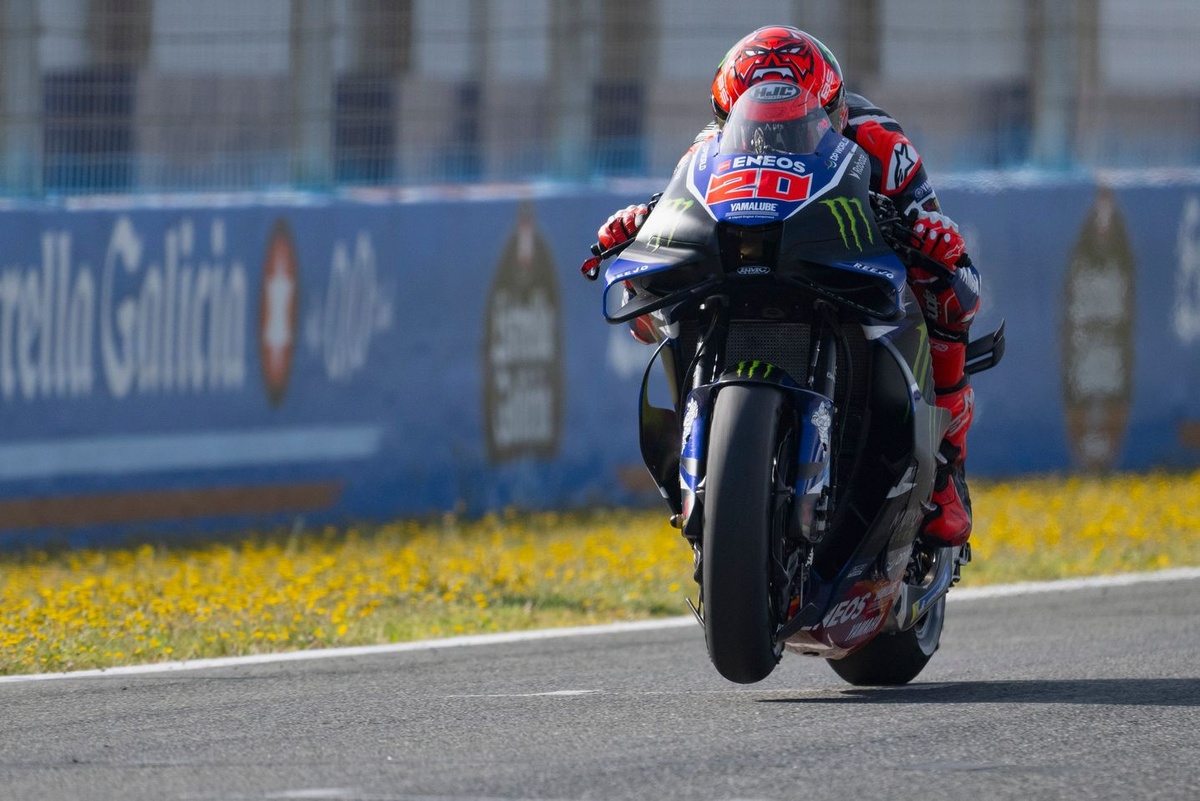
Two key factors in renewing these deals are exposure and success. At present, Monster is Yamaha’s title sponsor, but the Japanese manufacturer has struggled to deliver either in recent years. Motorsport.com understands that this partnership expires at the end of the current season, and several indicators suggest that - unlike in previous renewals - the alliance may not continue.
Yamaha is currently rebuilding its MotoGP project, a process that coincides with significant rider changes. Fabio Quartararo, one of Monster’s most prominent ambassadors, is set to join Honda in 2027. The Japanese manufacturer previously partnered with Red Bull, which withdrew its backing when Marquez moved to Gresini for 2024. However, Motorsport.com considers it more likely at this stage that Honda will reunite with Red Bull - talks are ongoing - rather than pursue a deal with Monster.
Meanwhile, Yamaha’s new line-up is expected to feature Jorge Martin, a Red Bull-backed rider, and Ai Ogura, who currently has no ties to an energy drink brand.
This leaves Monster with key strategic decisions to make. With Bagnaia set to join Marco Bezzecchi at Aprilia - and both riders already associated with the brand - a potential move towards the Noale-based manufacturer would not be far-fetched. Aprilia currently lacks a title sponsor, and with its RS-GP machines running a predominantly black livery in recent years, the fit appears natural.

Francesco Bagnaia, Ducati Team
Photo by: Gold and Goose Photography / LAT Images / via Getty Images
On the other side of the paddock is Red Bull, which currently brands all four KTM bikes on the grid and complements its presence with individual deals involving riders such as Martin (Aprilia), Johann Zarco and Diogo Moreira (LCR), as well as Toprak Razgatlioglu.
However, Red Bull’s relationship with KTM has been under strain for over a year, particularly following the Austrian manufacturer’s financial crisis, which ultimately led to its sale to India’s Bajaj Group. In the wake of that situation, Red Bull seriously considered ending its involvement with KTM, but ultimately chose to remain - albeit with reduced investment.
Initially, Bajaj even explored the possibility of exiting MotoGP altogether, but has since committed to continuing, albeit under stricter financial conditions and with a sharper focus on the factory team.
As a result, if Tech3 wishes to continue running KTM machinery, it will have to pay for it - a scenario that is understood to have prompted team principal Guenther Steiner to open discussions with Honda.
We want your opinion!
What would you like to see on Motorsport.com?
- The Motorsport.com Team





 English (US) ·