
.svg) 1 month ago
68
1 month ago
68
ARTICLE AD BOX
While attention is currently focused on MotoGP’s 2027 technical changes, the Moto3 class is expected to undergo an even more dramatic transformation in 2028.
Although still to be officially confirmed, the current 250cc single-cylinder machines - built by KTM and Honda - are tipped to be replaced by larger but cheaper 700cc production-based twin-cylinders from a single supplier.
Miller, who made his grand prix debut in the former 125cc class in 2011, then battled Alex Marquez for the 2014 Moto3 title before leaping straight to MotoGP, accepts the need for change.
However, he believes one of the main goals, allowing the best riders to stand out more from the pack, could have been achieved by reducing the tyre width.

Jack Miller battles Alex Marquez for the 2014 Moto3 title.
© Gold and Goose
“I think it needed to change,” Jack Miller told Crash.net, when quizzed on the likely future Moto3 rules. “[But] the whole bigger engine, I don't necessarily agree with that. I think the tyres could have been smaller.
“The trend has basically been to put bigger and bigger tyres under these motorcycles. Whether it be Moto3, Moto2 and MotoGP, the tyres have changed dramatically in the past 20 years.
“The footprint's changed, the contact patch that you've got, and with Moto3 at the moment, you can get away with an awful lot because you've got such a good tyre and a decent amount of contact patch.
“You don't have enough power to kind of smoke it or do anything silly. Unless you really mess up, you're not going to have a massive high side or anything like that.
“So just by reducing the width, I think, would have thinned it out a little bit more.”
• Why Moto3 is heading for a bigger, but cheaper future

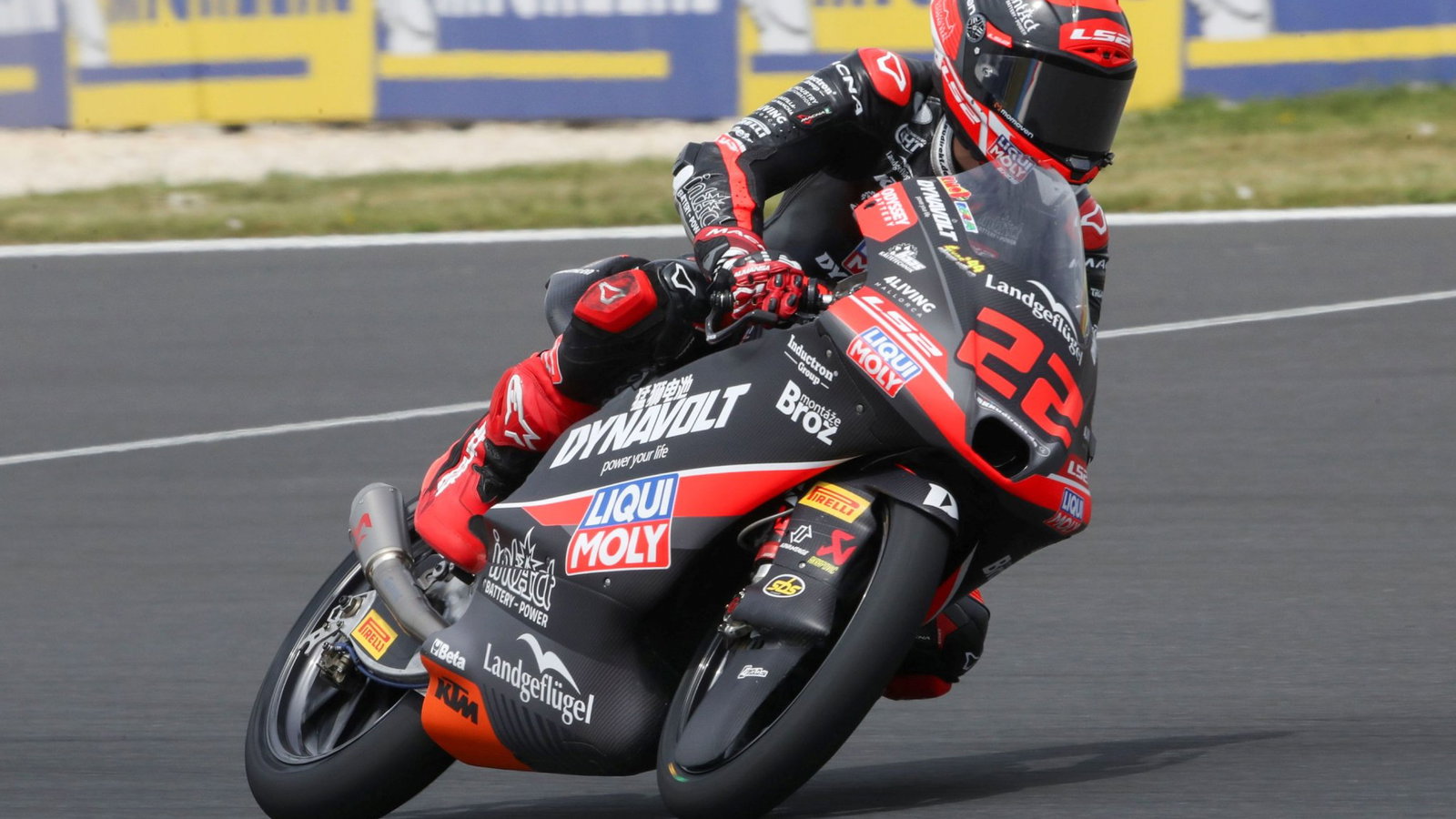
2026 Red Bull KTM Ajo Moto3 machine.
© Gold and Goose
Miller, a four-time MotoGP race winner for Honda and Ducati, also acknowledges the current cost concerns in Moto3.
However, he questions whether production-based engines fit the ethos of grand prix racing and if the required racing modifications will make them any cheaper.
“I understand they want to go to a production-based engine. I understand that the market kind of doesn't provide for [a bespoke 250cc racing machine] at this point in time,” Miller said. “But at the end of the day, it’s grand prix racing.
“I don't think a production-based engine is going to make it cheaper for the teams.
“Having a specific race-built engine with the correct gearbox and so on and so forth, I think, is better for the teams. You're not buying something and then having to tune it up. It's built to do the job at hand.
“So I don't understand that, in terms of Grand Prix racing. We've gone towards that with Moto2, but the chassis is still [open competition].”

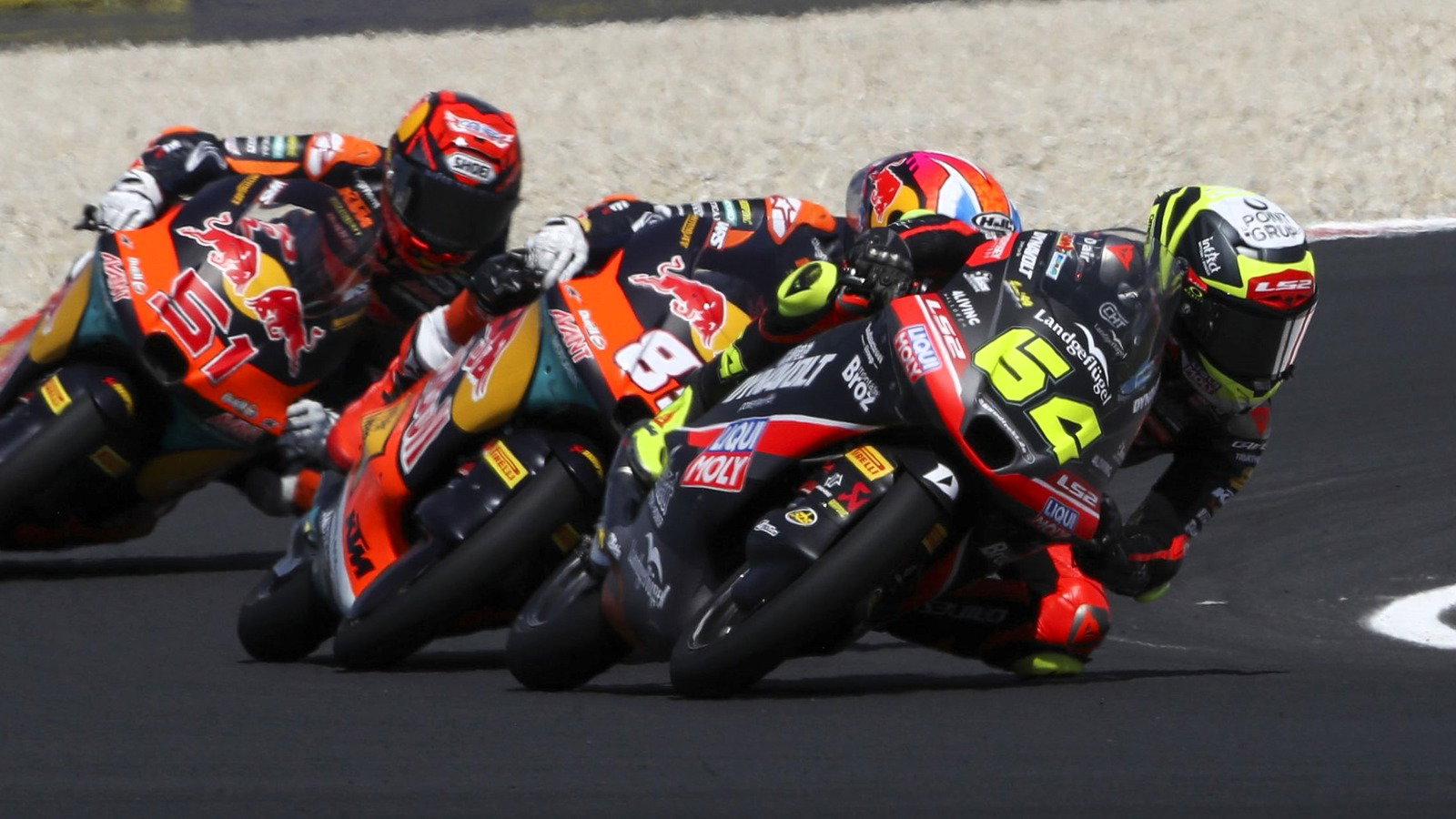
2025 Portimao Moto3 Grand Prix.
© Gold and Goose
Despite such reservations, Miller supports efforts to increase safety in the junior class and expects bigger machines to spread the field out more.
“At least they're doing something," he said. "I do believe Moto3 needed to change to be made a little safer. At least they're making a step to try to improve that.
“It was the same when they raced those [Supersport] 300s. For me, it was probably the most unsafe race because the bikes have no power and they've got a very big tyre on them.
“They tend to ride [nose to tail], essentially, and that's when big things happen.
“I think having it where talent and skill can separate the field out a bit more will help.”
The Supersport 300 world championship was replaced by a bigger ‘Sportbike’ class for 2026.



 English (US) ·