
.svg) 2 hours ago
4
2 hours ago
4
ARTICLE AD BOX
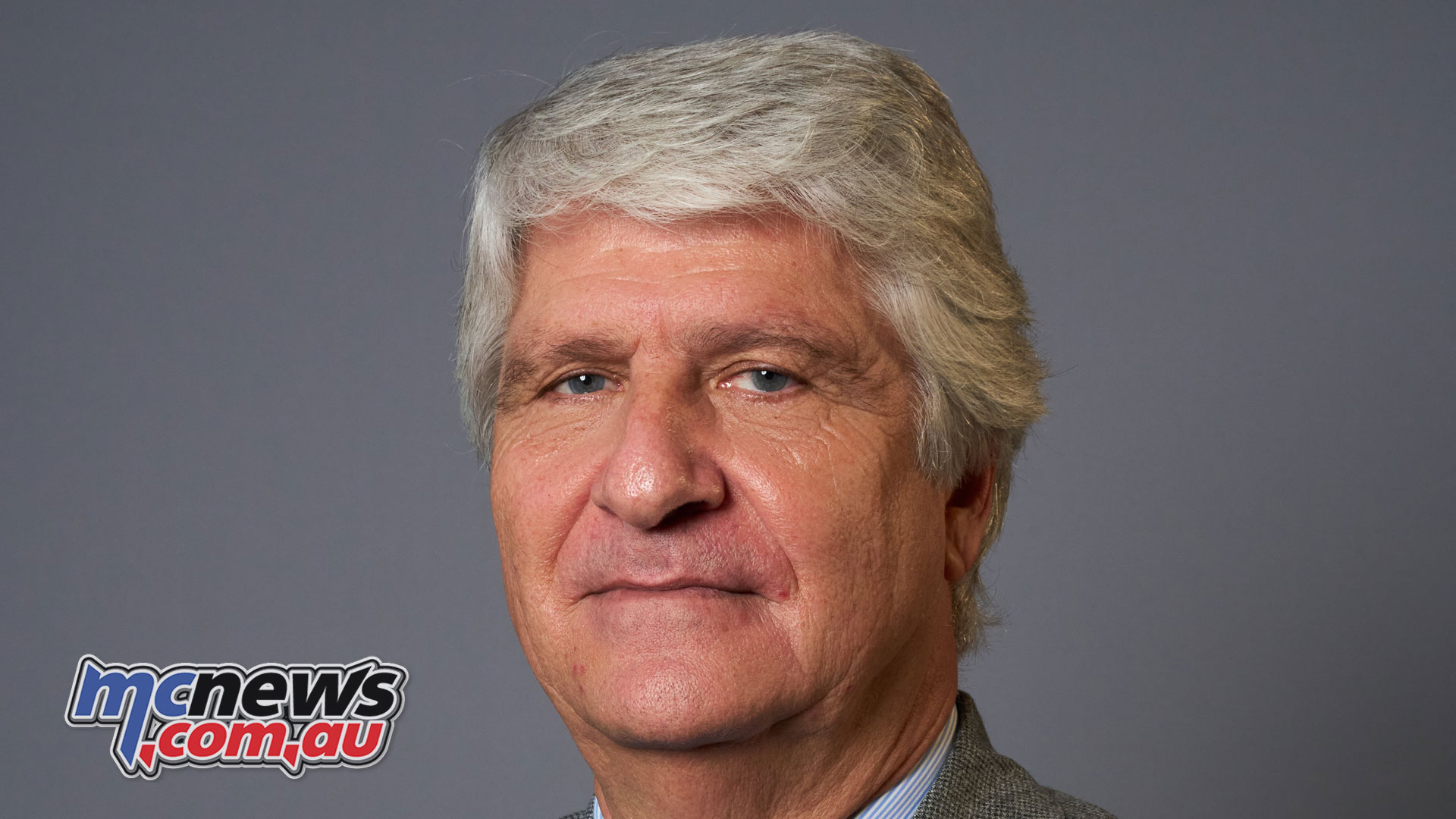
MotoGP chief Carlos Ezpeleta has explained the decision to make Moto3 a one-make championship of Yamaha machinery was made to reduce costs.
MotoGP announced on Thursday at the Dutch Grand Prix that Yamaha will supply bikes for the Moto3 class from 2028, under a six-year deal at present.
Yamaha says the bike - which hasn’t been named yet - will be a full racing prototype based around its R7 engine, producing 90hp for a machine weighing 120kg.
Yamaha logo, MotoGP 2026.
© Gold and Goose
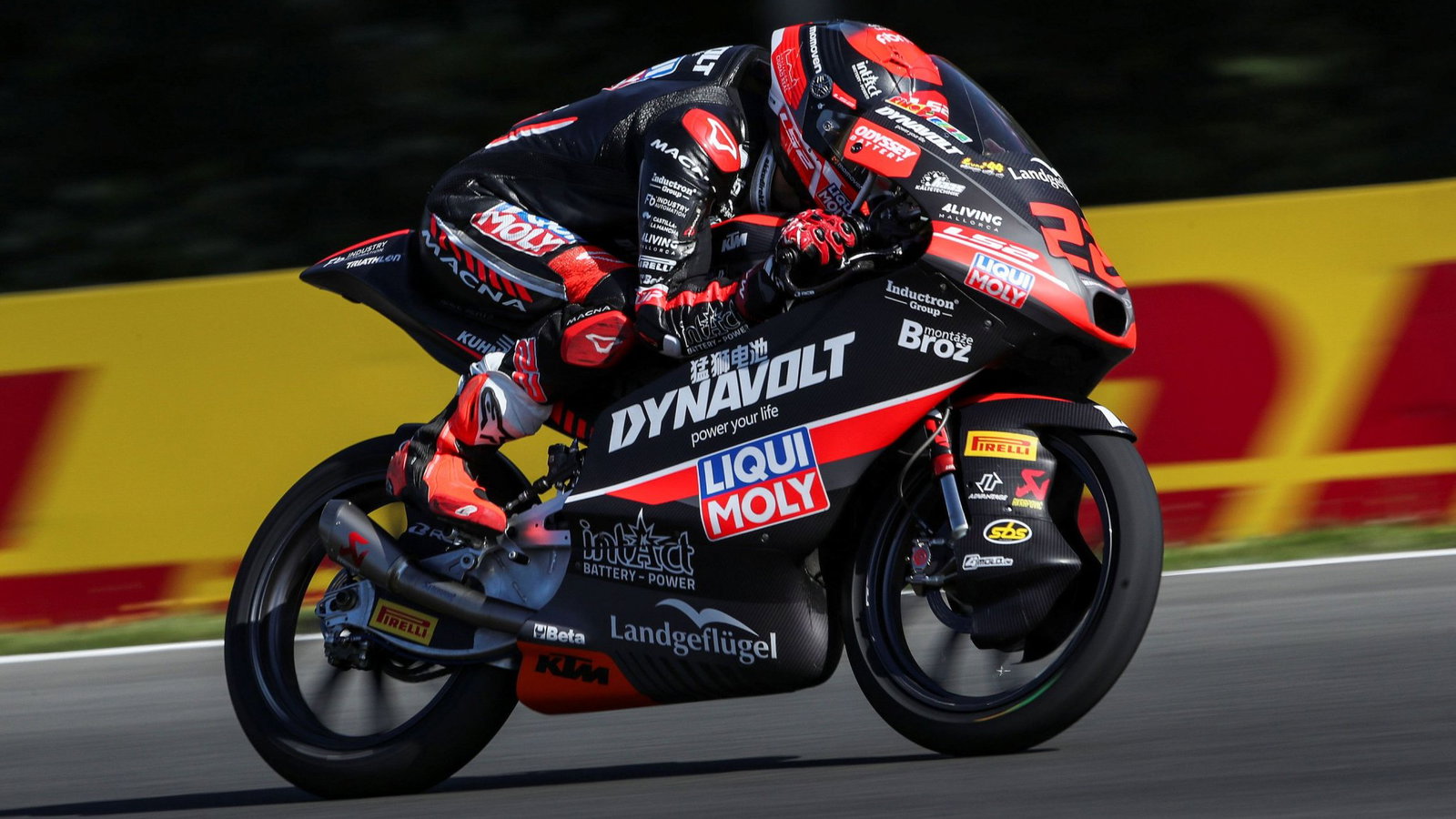
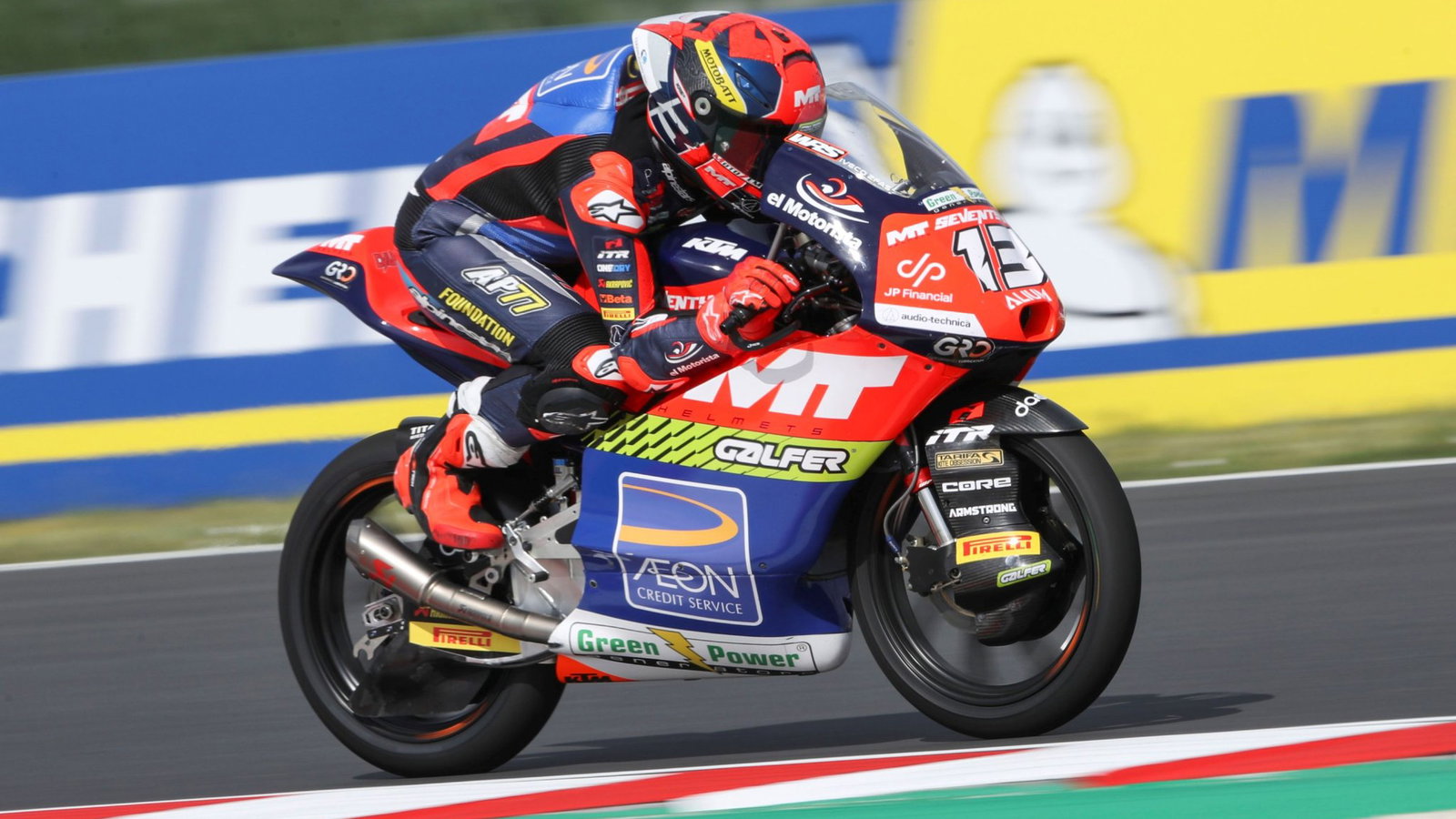
Moto3 is currently a full prototype class, with Honda and KTM building machinery for the category, though these cost around $150,000 to run for a season by a team.
The idea is that Yamaha’s bike will become widely available for MotoGP’s other Moto3-spec feeder categories in the coming years.
Single-supply is not a new concept for MotoGP, with Moto2 running spec engines - first Honda, and then Triumph from 2019 - since the class replaced 250s in 2010.
But Moto2 does have different chassis manufacturers involved.
So, why is Moto3 not following this concept?
Carlos Ezpeleta says this is about keeping costs under control, which MotoGP SE believes will help improve the ladder to the premier class.
“So, from our decision, experience has led us to understand. And, by the way, this has been done, not with direct involvement from the teams, but with a lot of input from the teams, and understanding right now that Moto2 and Moto3 are here, one for a fantastic product on track for all of us,” Ezpeleta said.
“But to sort of develop the talent and the pipeline to go into MotoGP.
“And the best way to do that is in a controlled cost environment. The only real way to do that is with a single supplier.
“This deal doesn’t mean the current brands that are involved in Moto2 and Moto3 will not be able to continue to have their youth programmes all the way up.
“And that is the objective; those brands continue to be involved the way they are, which doesn’t mean they are going to build the machine or not.
“But I think the experience proves that when there is competitive tension between the manufacturers, it doesn’t really matter the size, the costs continue to escalate.
“And that’s why the decision was quite clear for us from the beginning.
“And the fact that it’s such a reputable manufacturer building the whole bike means that we can shake hands now and make sure that, from our side, it’s a pretty easy 18 months now.”
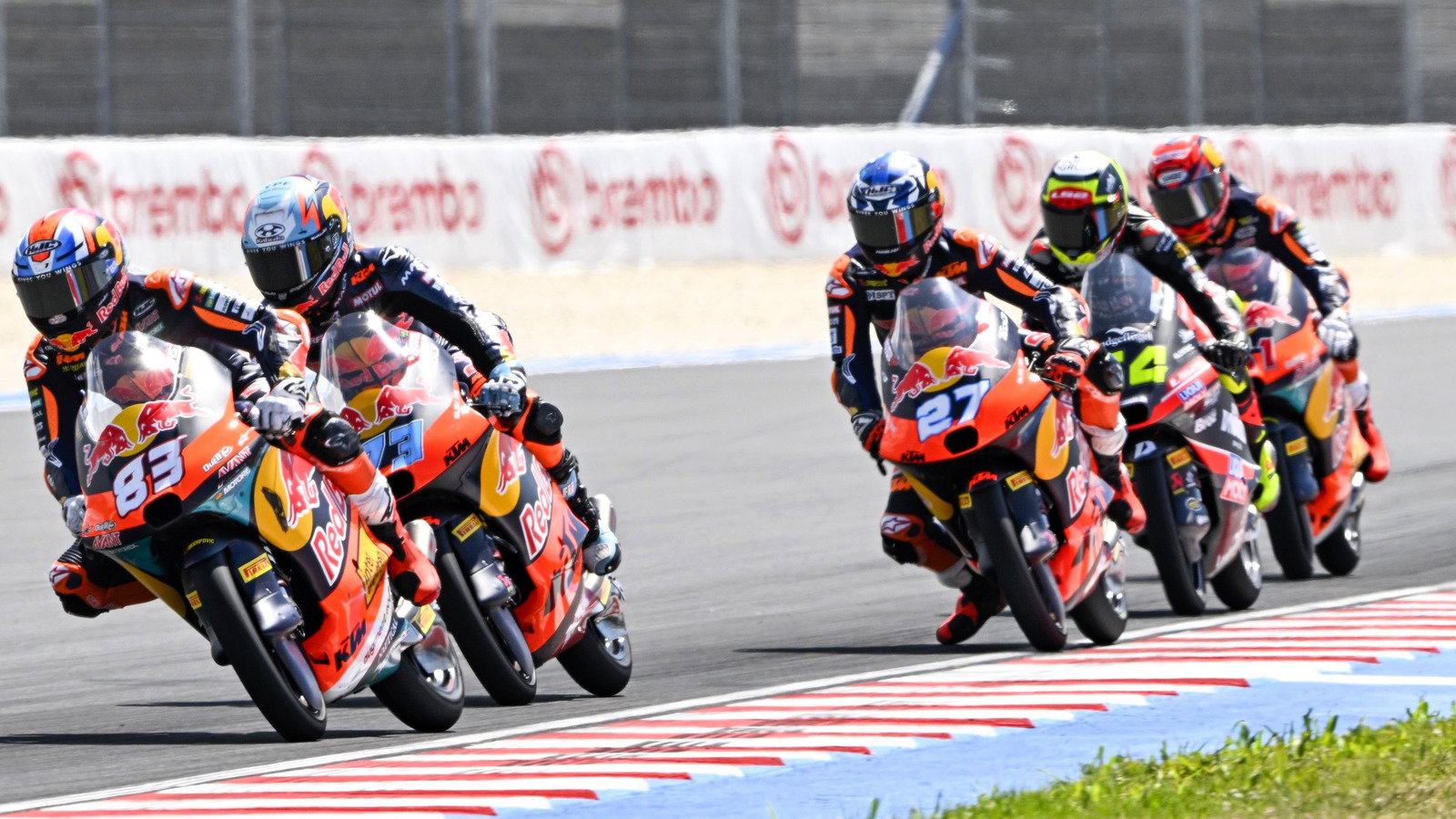
Davod Muniz battles the Red Bull KTMs for third, Moto3, 2026 Hungarian MotoGP.
© Gold and Goose
Ezpeleta also doesn’t believe moving to a single-spec series will devalue Moto3 as a grand prix class, pointing to the success of Moto2.
“No, not at all from our side,” he added.
“And I think everybody agrees that when those changes were made from 250 to Moto2 in 2010, nobody has referred to Moto2 as Cup.
“Yes, there’s been chassis manufacturers, sometimes to a bigger extent, sometimes to a lesser extent, but that hasn’t diminished the fact that the riders are winning a world championship. And it will continue to be like this.”


 English (US) ·