
.png) 1 day ago
7
1 day ago
7
ARTICLE AD BOX
2026 Kawasaki Z900RS SE Review
By Rennie Scaysbrook
Kawasaki has never had much trouble making the Z900RS look right. The harder job has always been making a modern-retro feel authentic without letting old-school charm become old-school compromise.
For 2026, the Z900RS SE keeps the same broad visual recipe that has worked since 2018, but finally adds the tech suite the platform was crying out for: ride-by-wire, cruise control, up/down quick-shifter, IMU-supported rider aids and a sharper 948 cc inline-four.
The result is still very much a Zed, but now with a little more polish where it matters most.
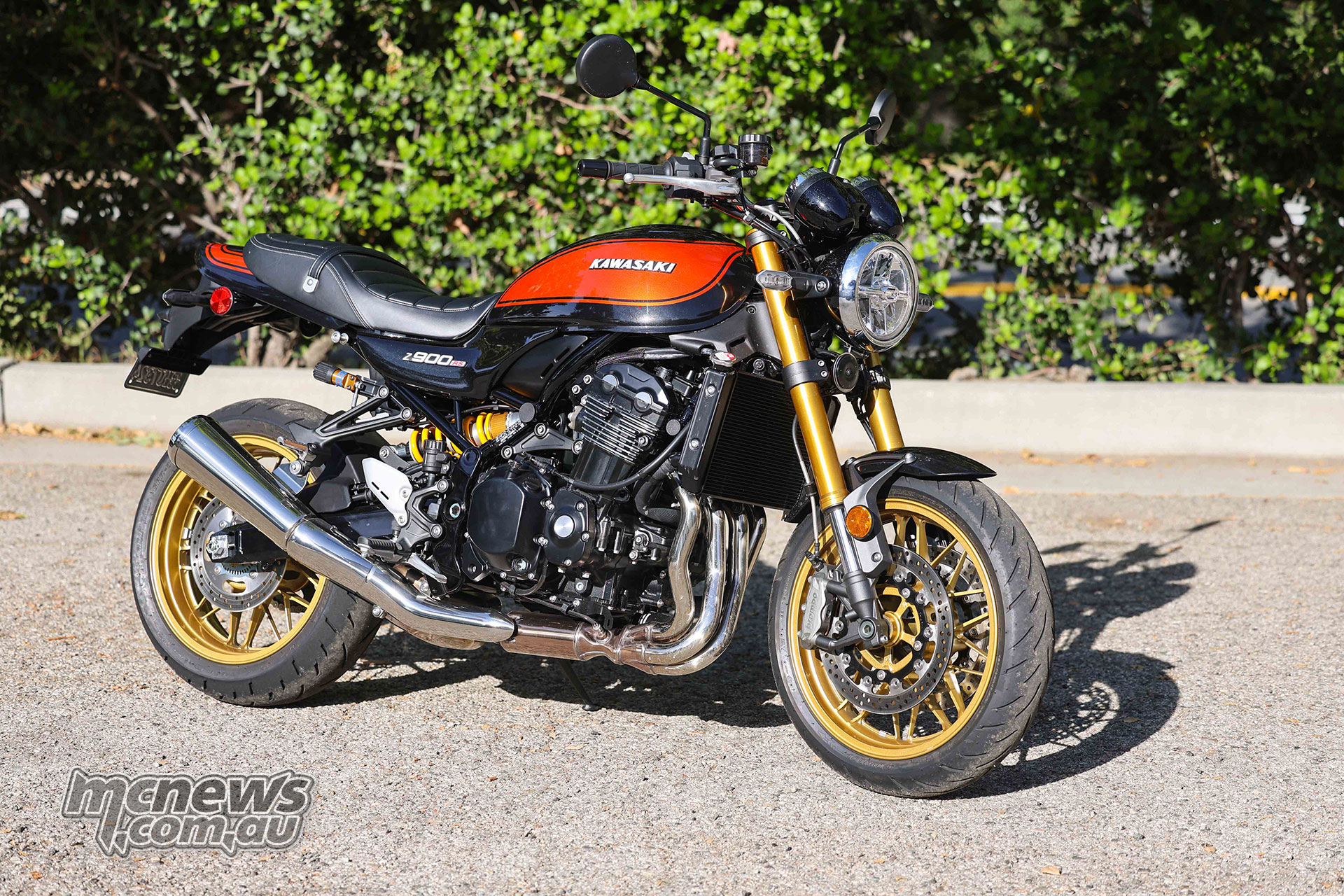 Kawasaki has wisely left the Z900RS silhouette alone, with the 2026 SE still leaning heavily into its Z1-inspired stance.
The Zed remains one of my all-time favourite retro machines, blending that timeless design so reminiscent of 1970s Castrol 6 Hour glory with the kind of punchy performance you expect from a large-capacity Kawasaki inline-four.
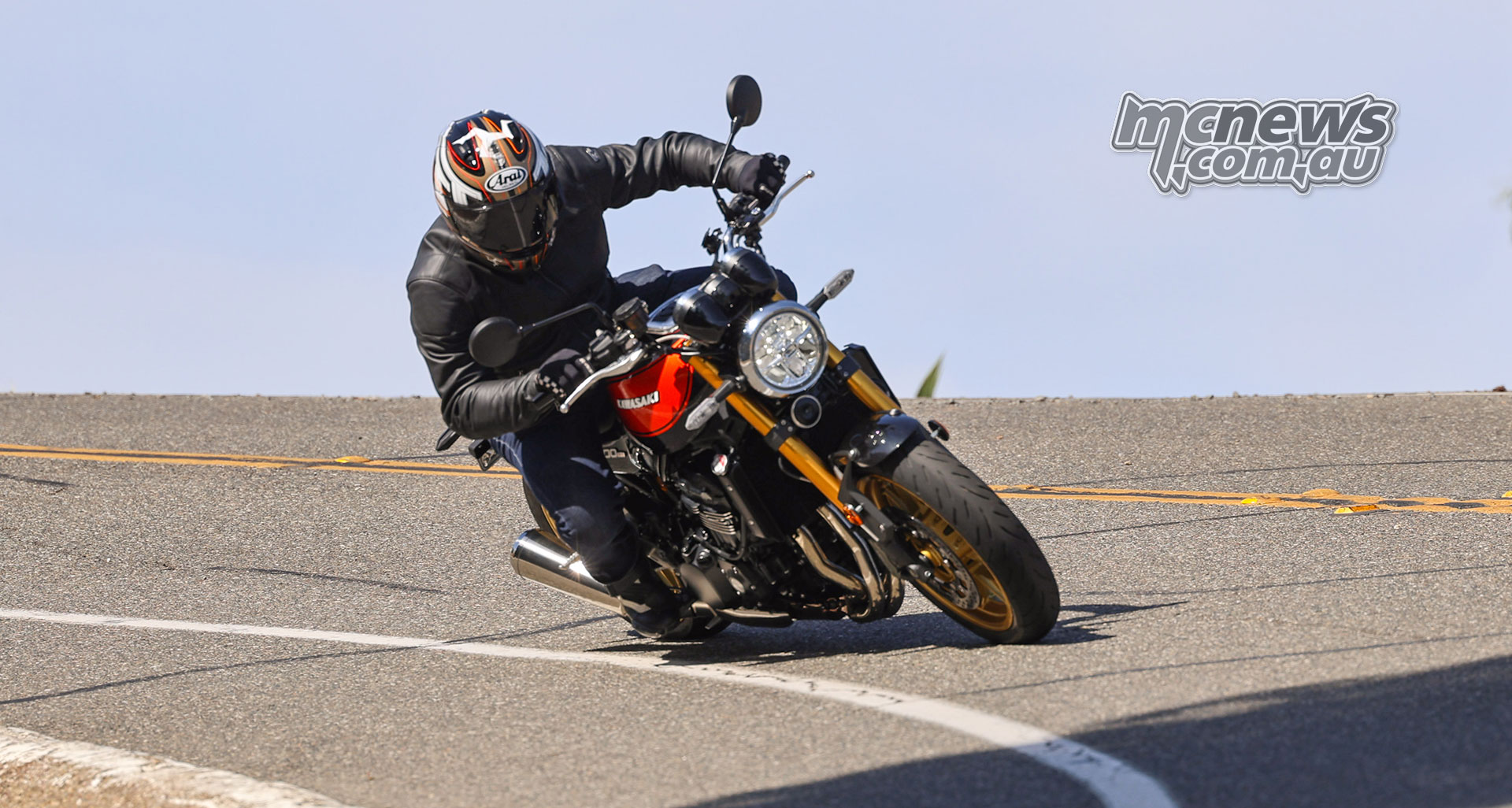 The Z900RS SE still looks old-school, but the 2026 update finally brings the rider aids and throttle refinement expected at this price point.
Kawasaki hasn’t strayed from the visual formula that made the original Z900RS of 2018 such a hit. The silhouette channels the legendary 1972 Z1, complete with the sculpted fuel tank, simple ducktail seat section, and clean, uncluttered lines. Yet beneath that familiar exterior lies a host of updates that subtly improve performance, comfort, and rider interaction for 2026.
What’s new for 2026
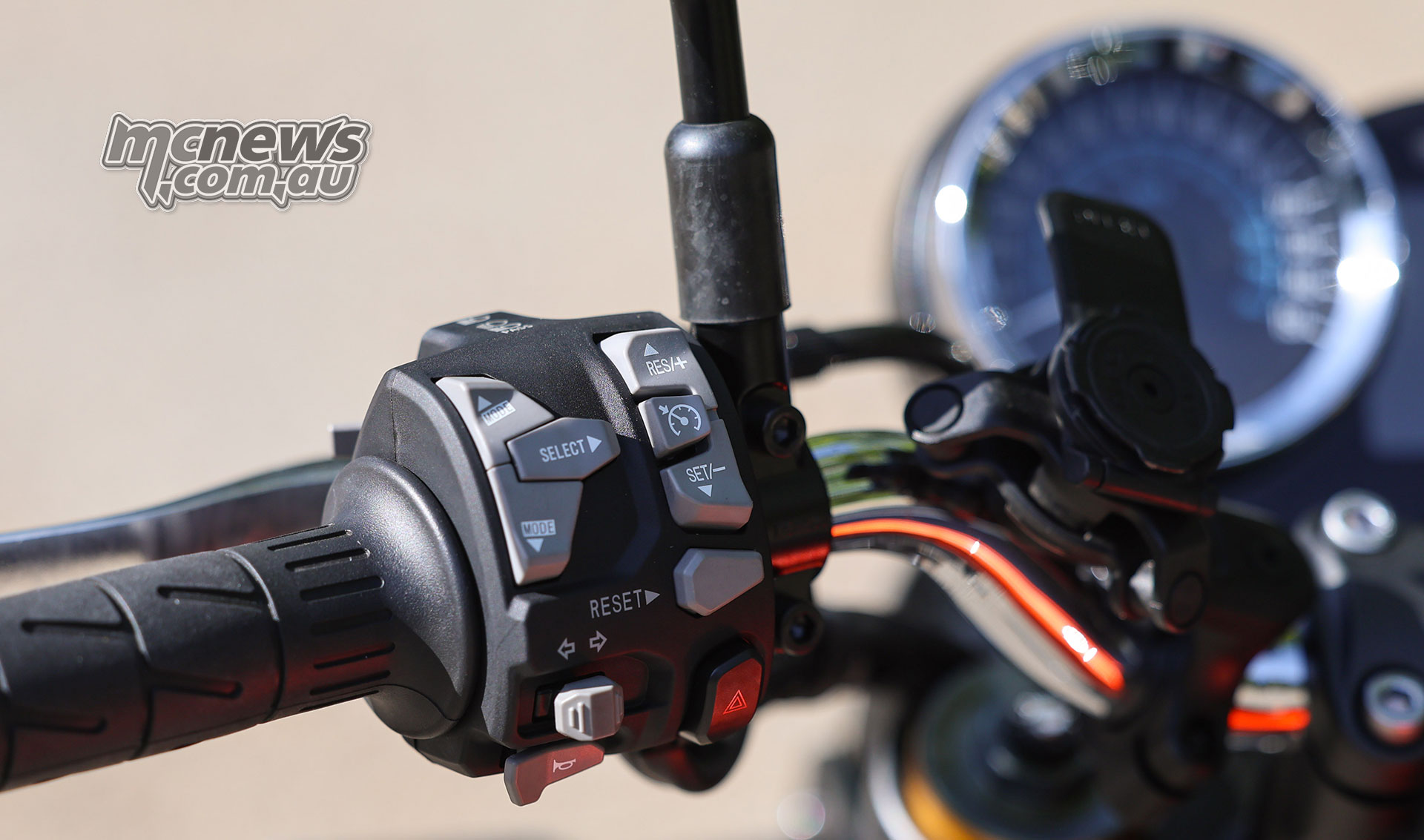
The main changes for 2026 focus around the stuff you can’t see. The Zed joins the IMU party in 2026, which gives you access to Kawasaki’s Cornering Traction Control and ABS. A ride-by-wire throttle replaces the old cable unit and thus you get variable riding modes, cruise control and an up and down quickshifter, which is about time, in my book.
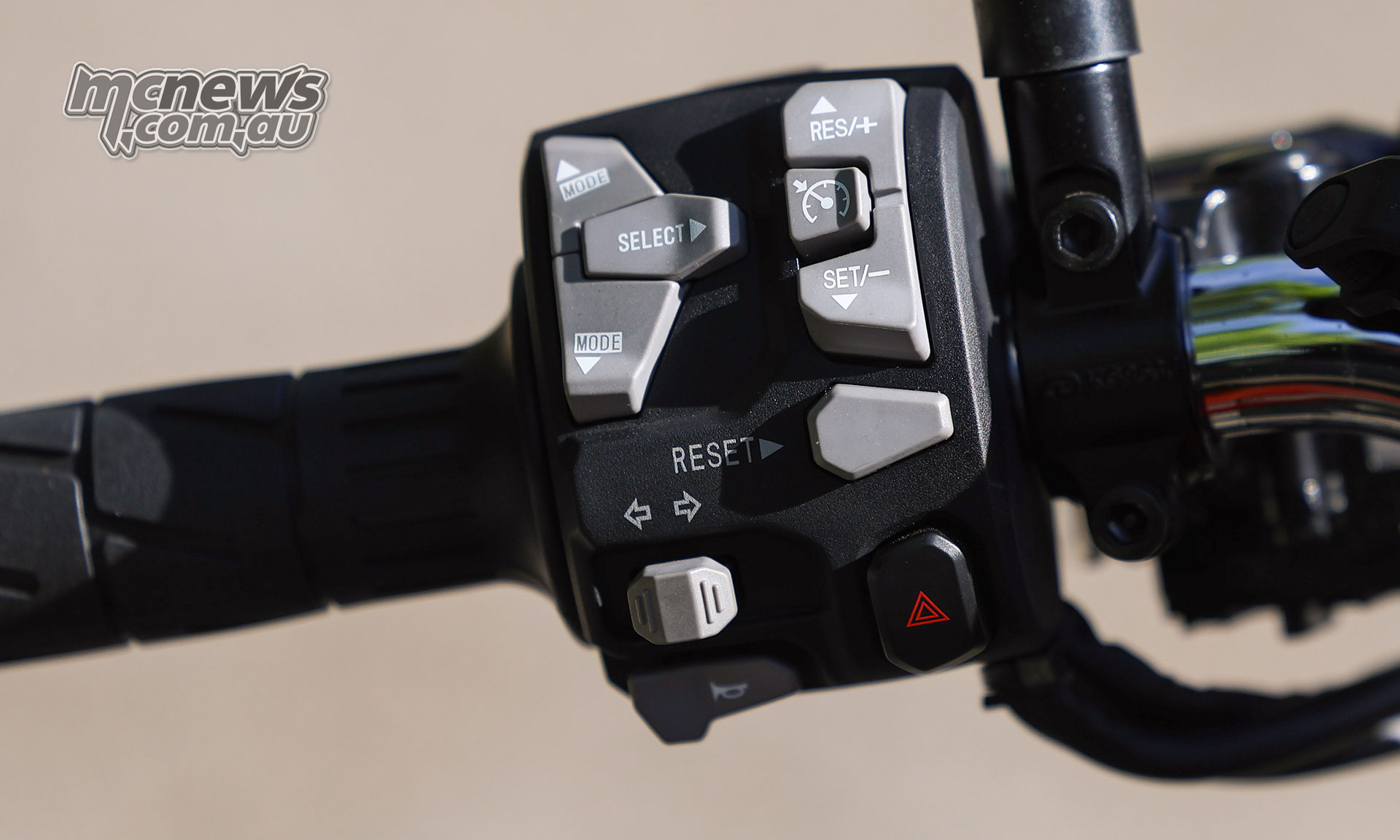 Cruise control is one of the most useful 2026 additions, particularly for a nakedbike that can otherwise cover decent highway miles.
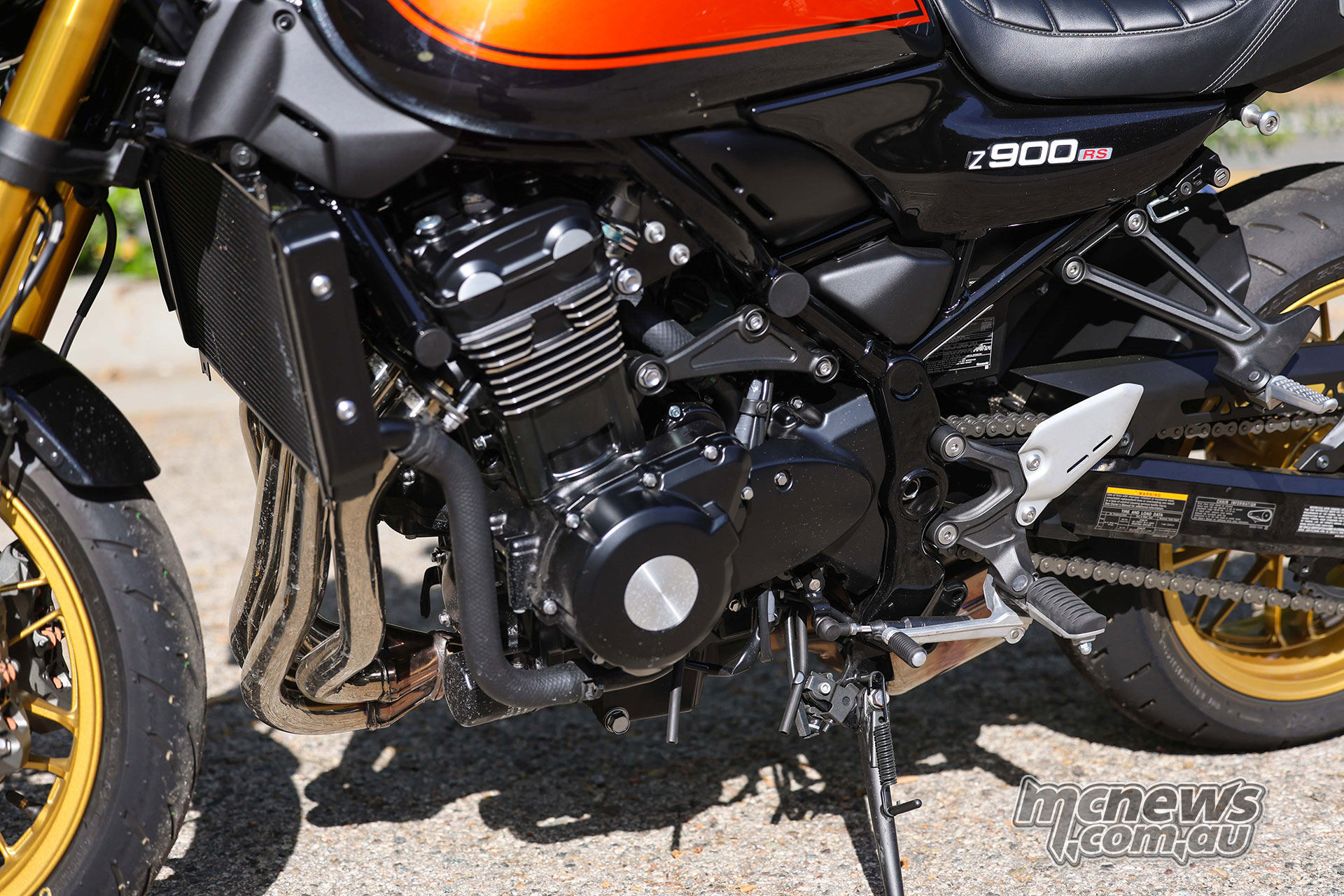
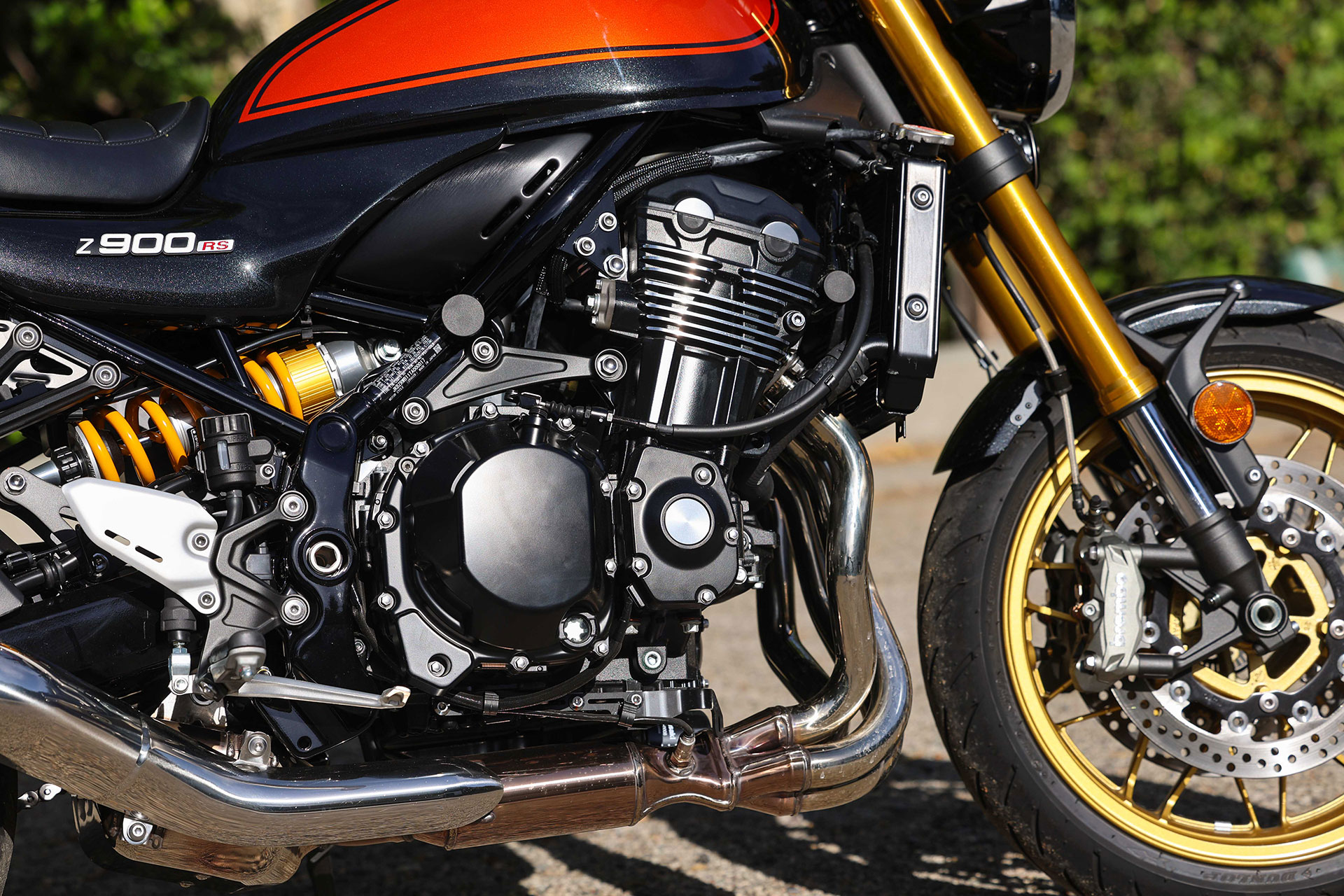
Inside the 948 cc inline-four sits revised cams and pistons and the intake has been reworked for a straighter flow from the airbox. Compression has also been boosted a point from 10.8:1 to 11.8:1.
Engine and performance
Fire the engine to life and the new megaphone-style exhaust barks with a deeper, meatier tone. The updated pipe gives the inline-four a richer voice as revs build and you combine it with the trademark Kawasaki induction roar. It’s an authentically mechanical sound, just as a retro bike should be.
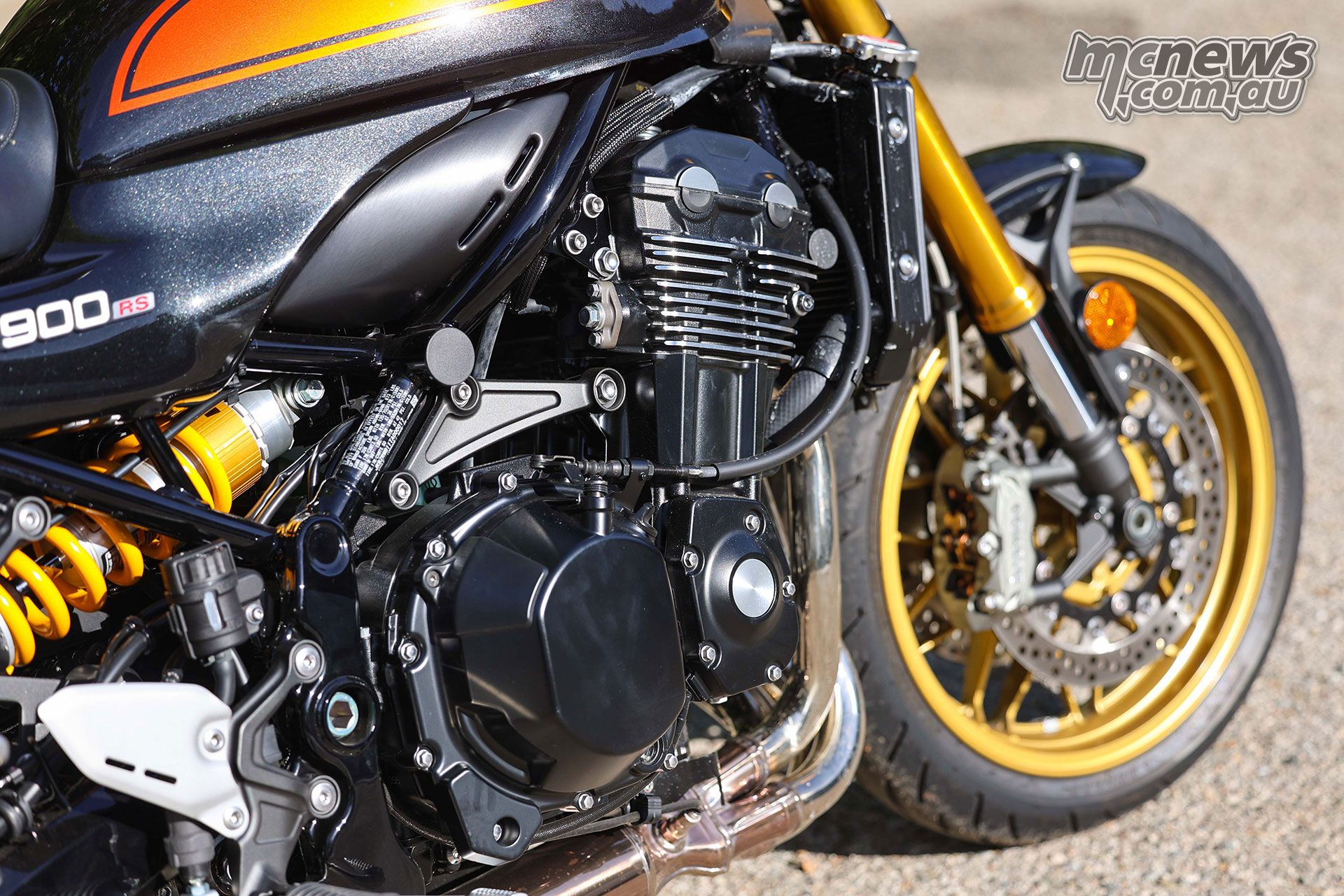 The 948 cc inline-four gains revised internals and a higher compression ratio for 2026, with Kawasaki chasing feel rather than headline horsepower.
Rather than chasing peak output numbers (expect to see 115 hp/85 kW at 9300 rpm and 73 lb-ft/99 Nm of torque at 7700 rpm), Kawasaki has focused on how the power is delivered. The result is a smooth, predictable spread of torque that builds consistently from low rpm through the midrange and into the upper reaches of the tach. There’s no abrupt surge—just a steady wave of four-cylinder acceleration that’s easy to manage and rewarding to ride.
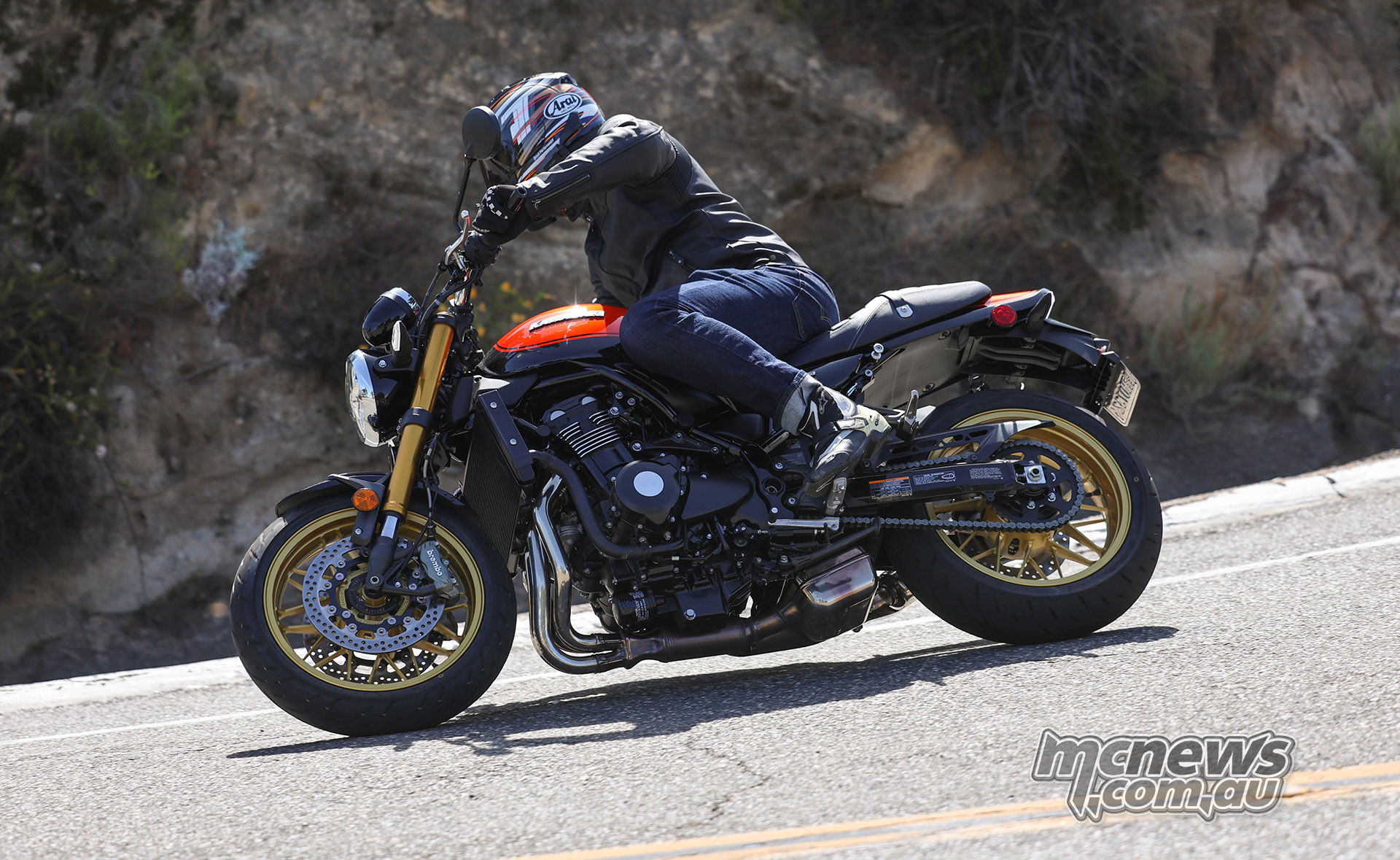 The updated Zed is still more of a flowing-road companion than a hard-edged supernaked, and is better for it.
Throttle response benefits from the adoption of ride-by-wire, which improves precision and reduces the abruptness that appeared in earlier versions, a characteristic I have been more than vocal about over the years. Around town, this translates to cleaner roll-ons and a more polished feel at low speeds.
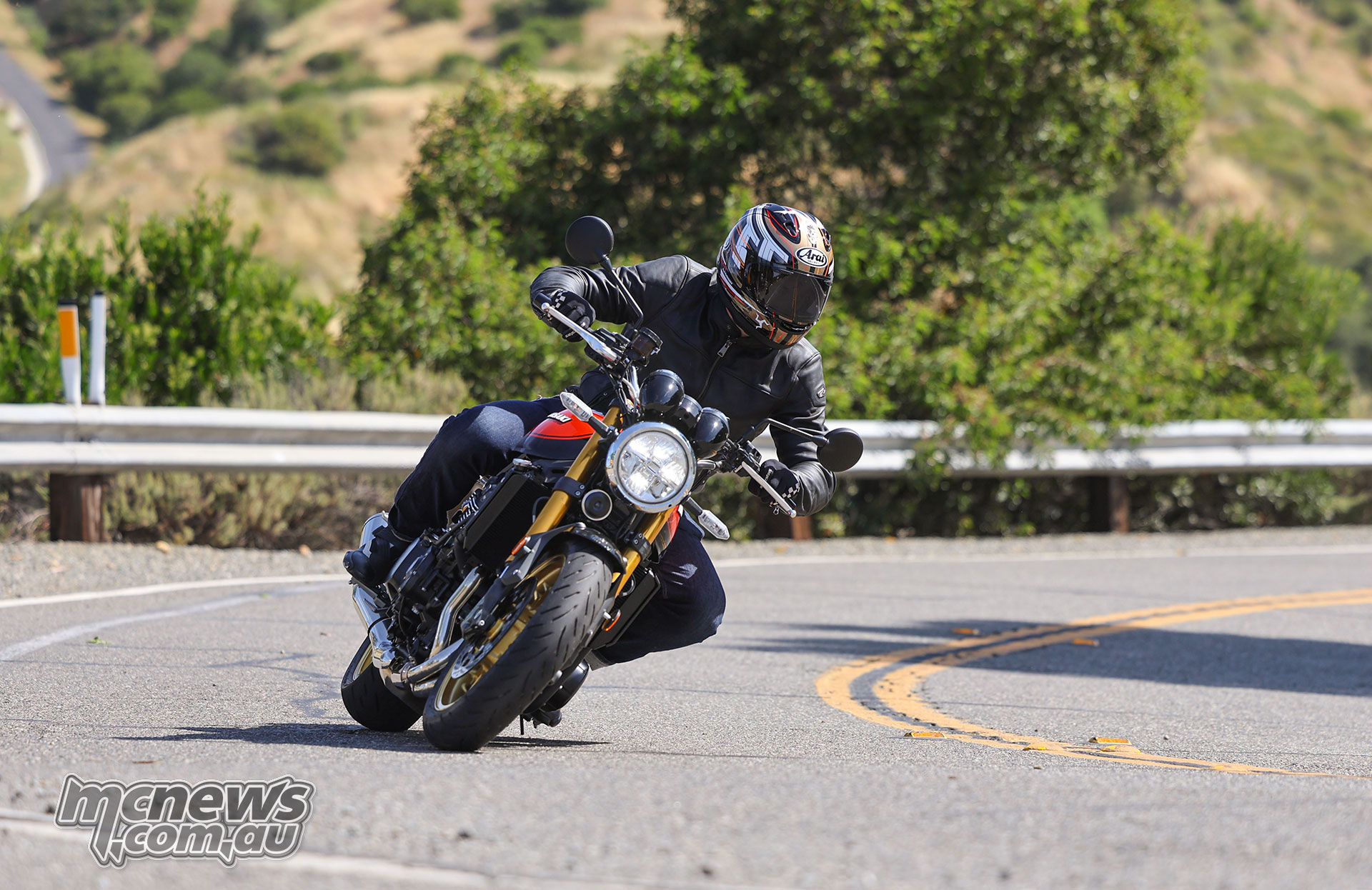 115 horsepower from a 948 cc is lively and linear, but those figures are moderate for the capacity overall
Out on open roads, it’s a lively engine, but it doesn’t have that intimidation factor you’d expect for an almost litre bike engine. Variable riding modes give the Zed a more adaptable personality, and as Kawasaki is one of the great four-cylinder companies—they don’t do triples like Yamaha or Triumph—the performance of the Zed is as good as you could expect, given the emissions laws the company must navigate.
Electronics and rider aids
While the Zed’s styling pays homage to the Z1 of the early 1970s, its technology suite is thoroughly modern and updated further for 2026. As mentioned, the six-axis IMU gives you access to the Cornering Traction Control and ABS, and the cruise control and an up and down quickshifter further modernise the ride.
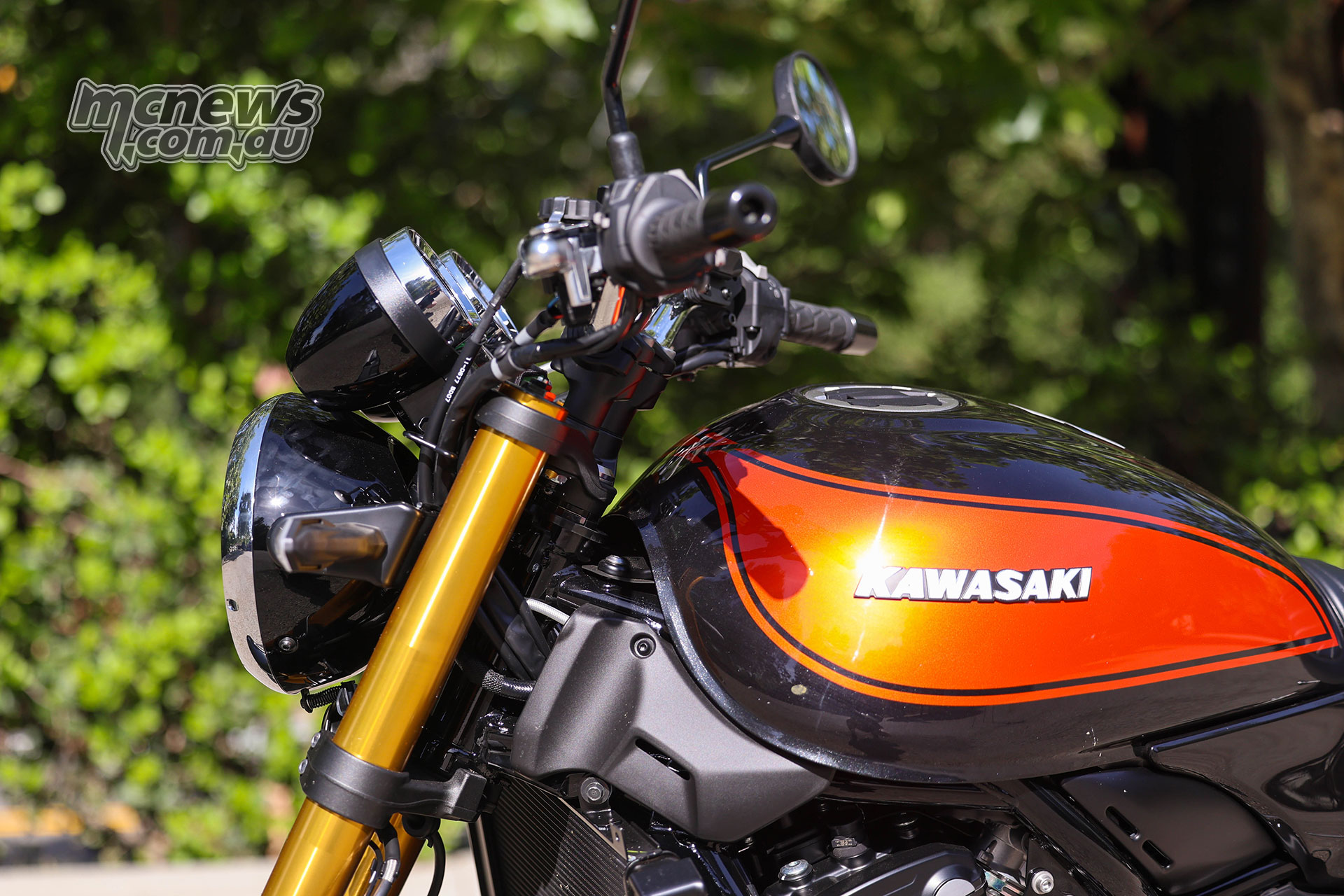
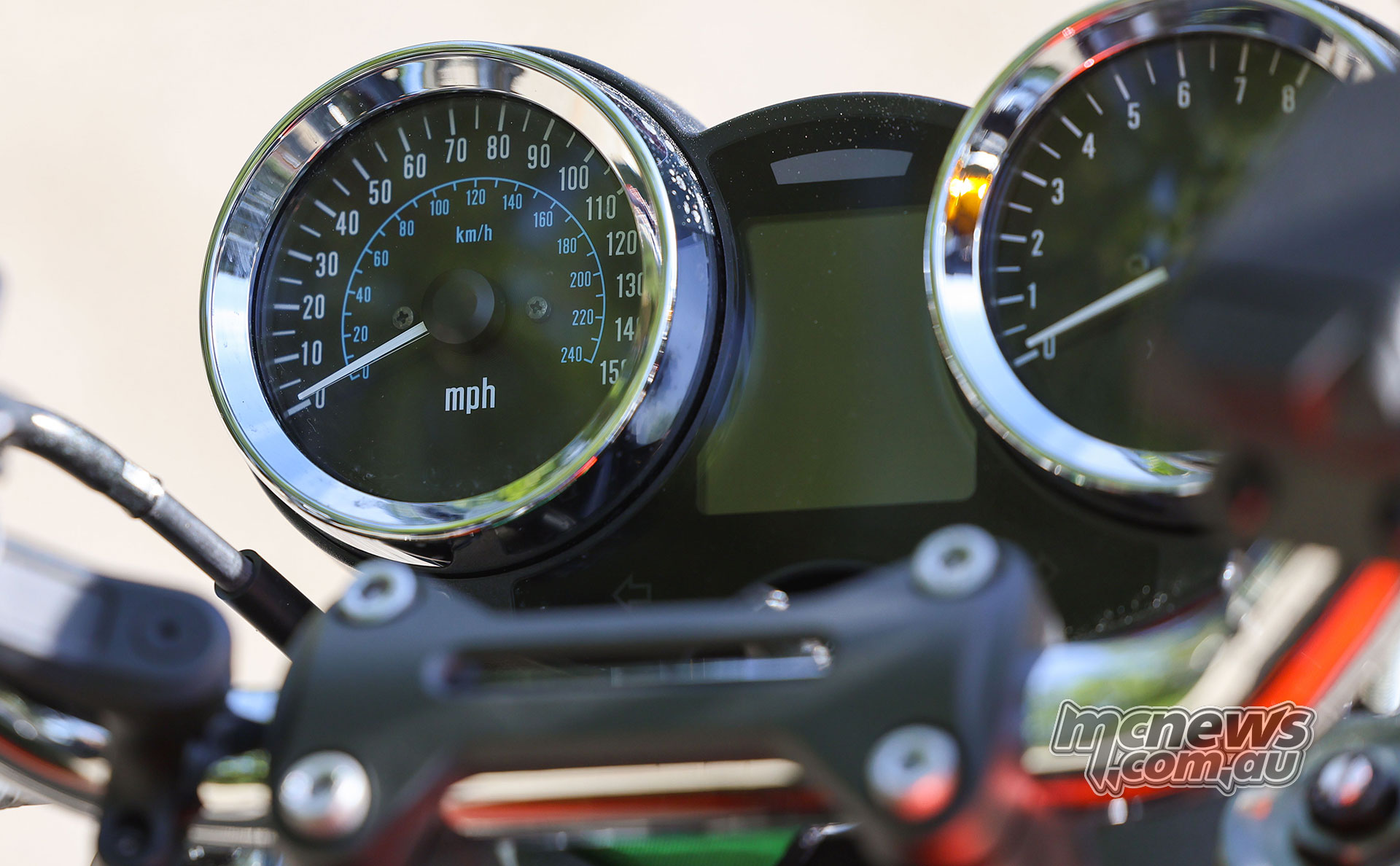 Analogue-style clocks remain part of the appeal, even as the electronics package underneath moves with the times.
The quickshifter is exceptionally smooth in both directions, making gear changes feel near seamless and giving a satisfying pop from the exhaust when you’ve got the throttle wound back, and you’re clicking up through the ’box. Cruise control, meanwhile, adds long overdue value for highway stretches and is something this model sorely missed over its life.
Chassis, suspension and braking
As for the chassis, the SE gets a couple of upgrades over the base model Z900RS ABS and the Z900RS Café ABS. Gold-coloured 41mm forks are fully adjustable, while the rear benefits from an Öhlins S46 shock equipped with a remote preload reservoir. This is the same set-up the previous iteration of the SE model had, so Kawasaki went the “if it’s not broken, don’t fix it” route.
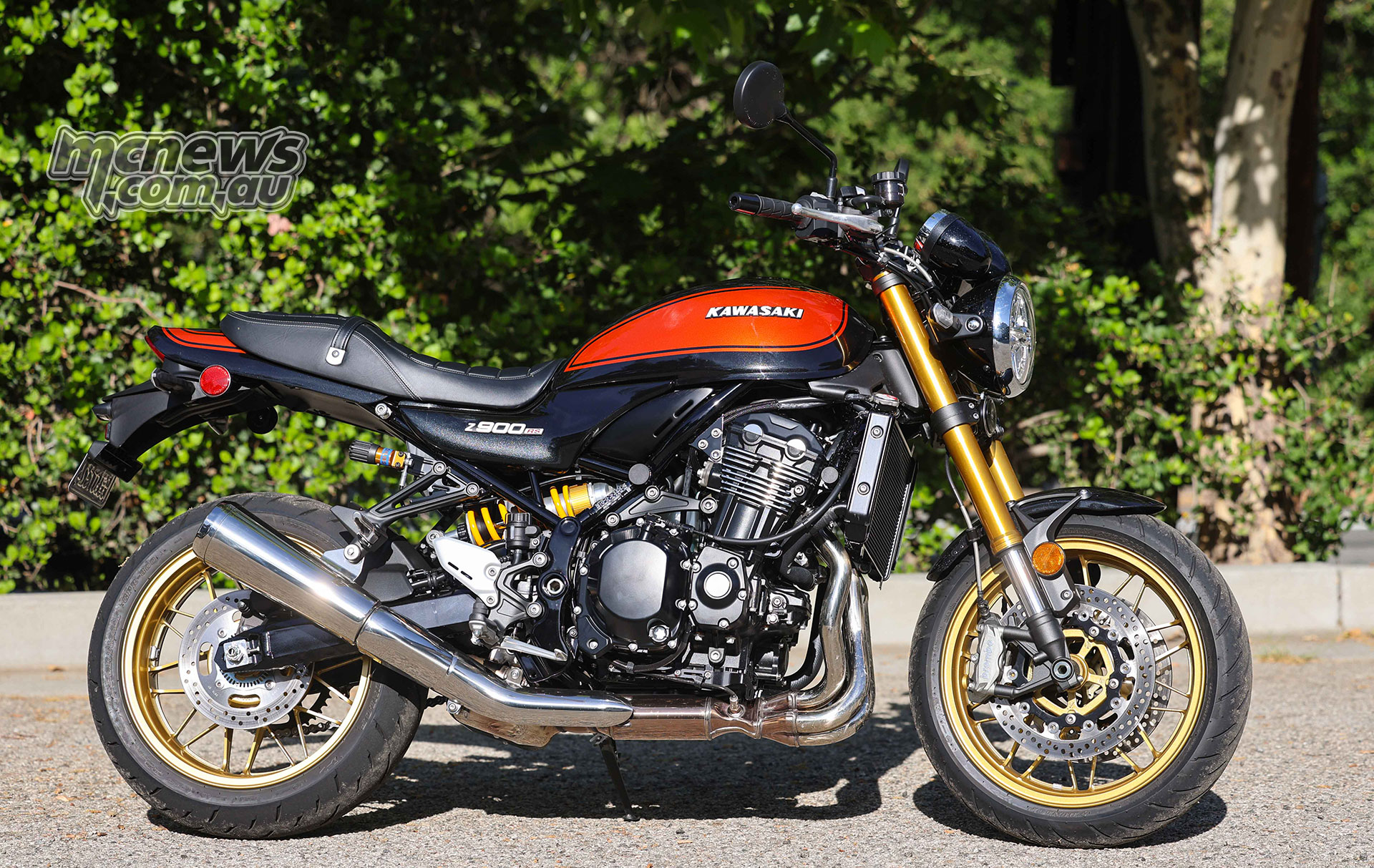 SE-specific upgrades are fully adjustable forks and Öhlins shock
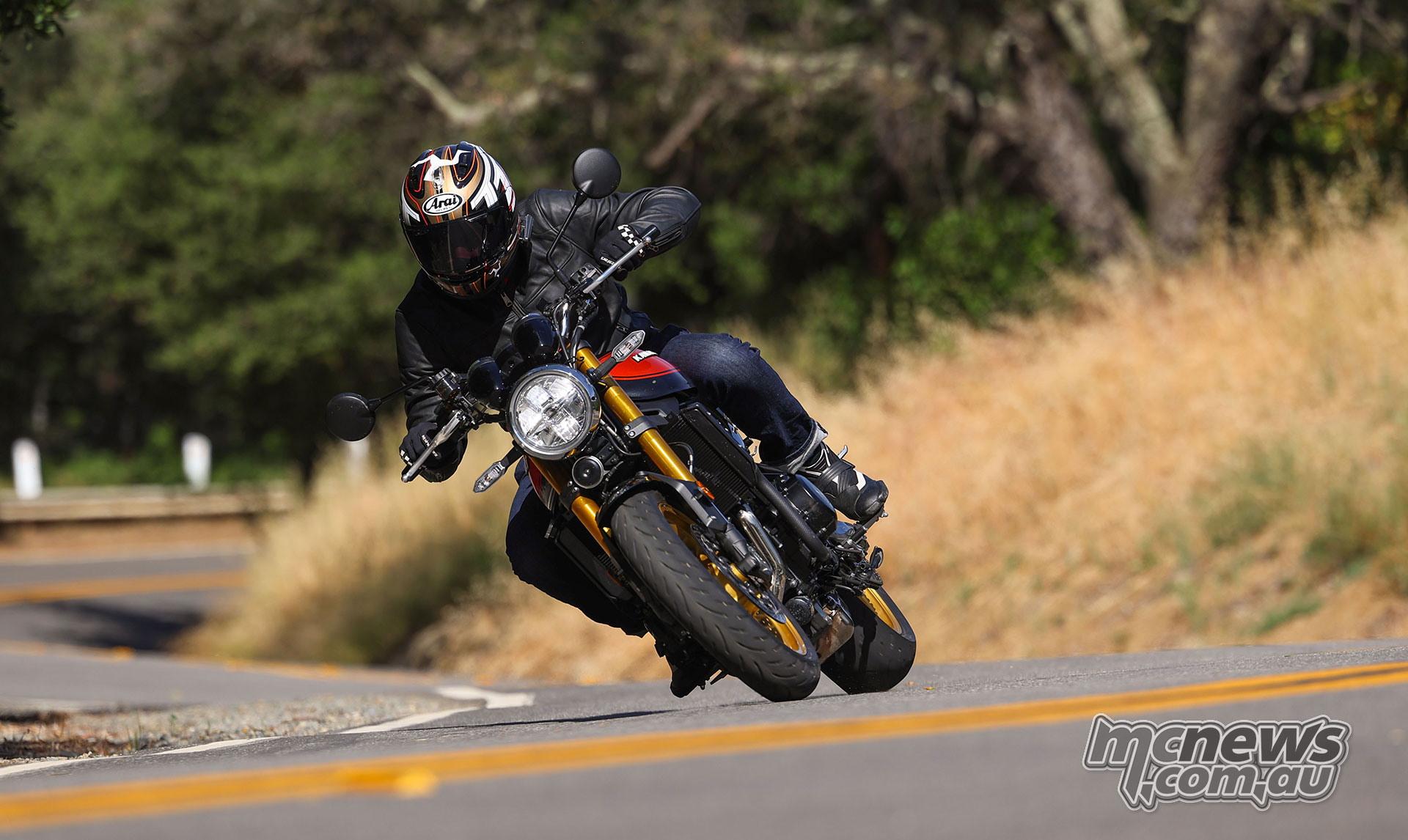
This being the case, the ride quality is still good. The Zed is a very neutral bike that responds predictably when transitioning from one corner to the next. It’s not razor-sharp like a Z900 or 1100, but that’s not the bike’s mission.
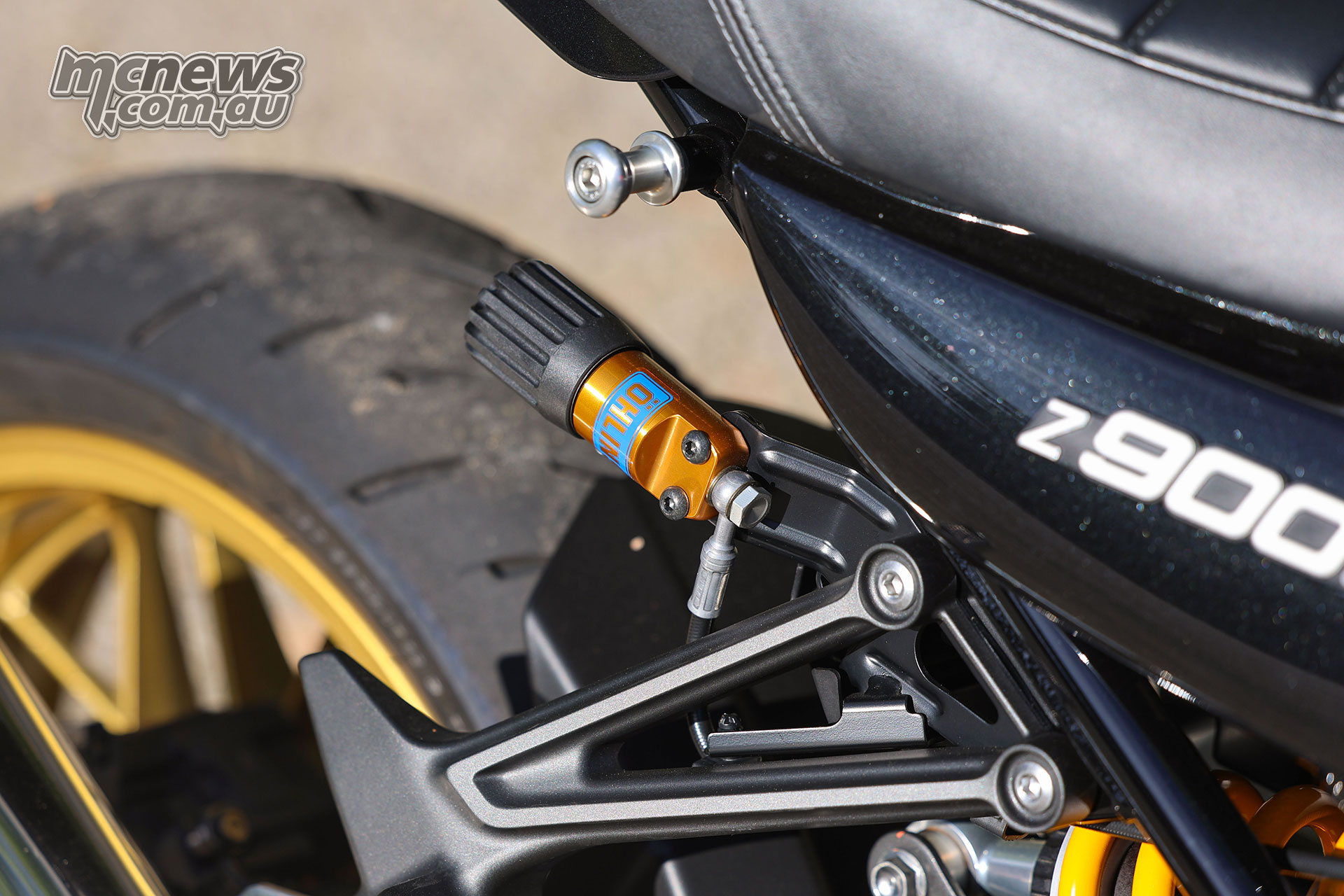
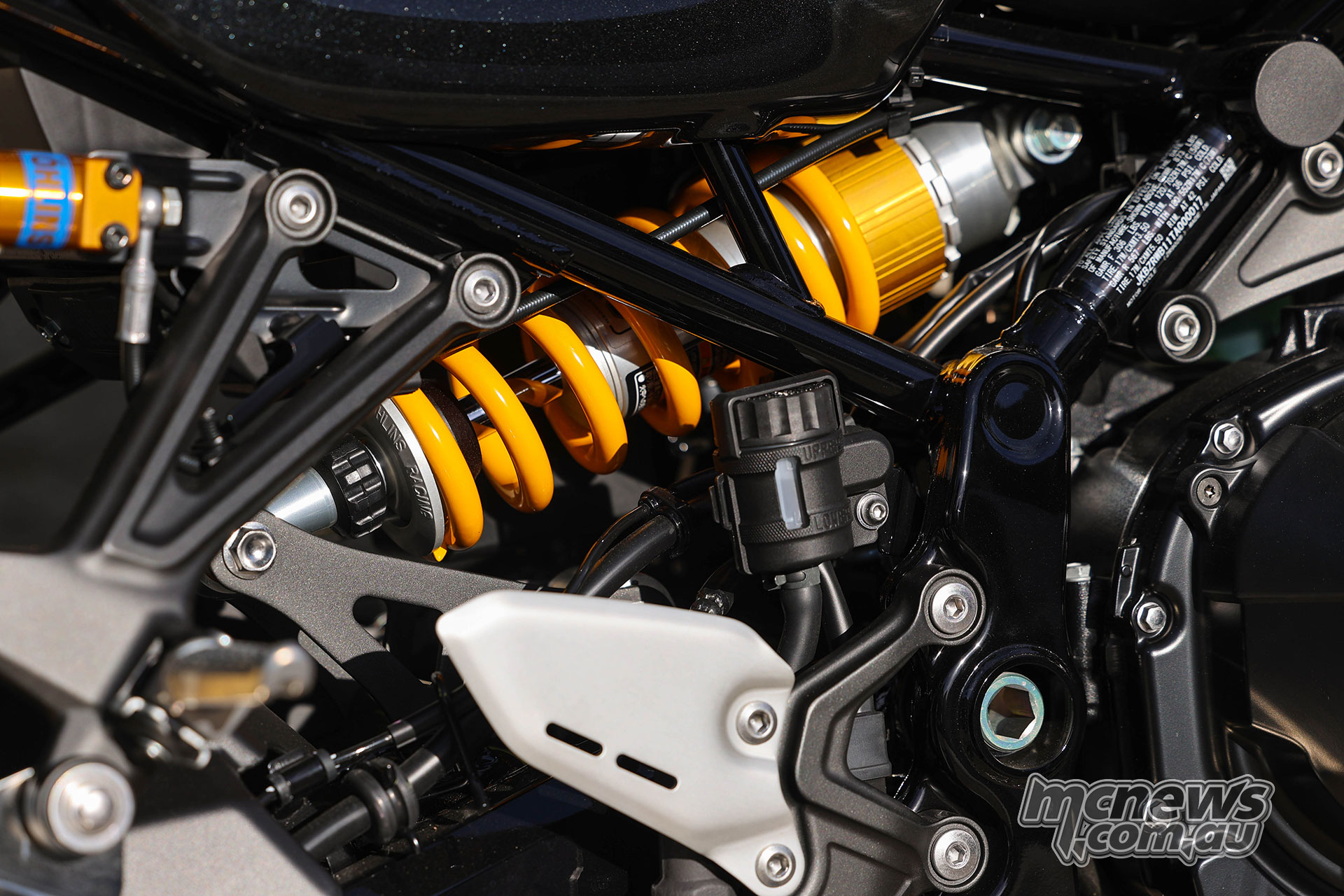 The Öhlins S46 shock remains a key SE upgrade, with remote preload adjustment making setup changes straightforward.
Instead, the RS SE delivers a planted, confidence-inspiring ride that encourages smooth, flowing cornering in the traditional sense. It’s not a bike you ride like a superbike, where late braking and standing it up on the fat part of the rear tyre pays off. It’s more relaxed in personality and needs to be ridden as such.
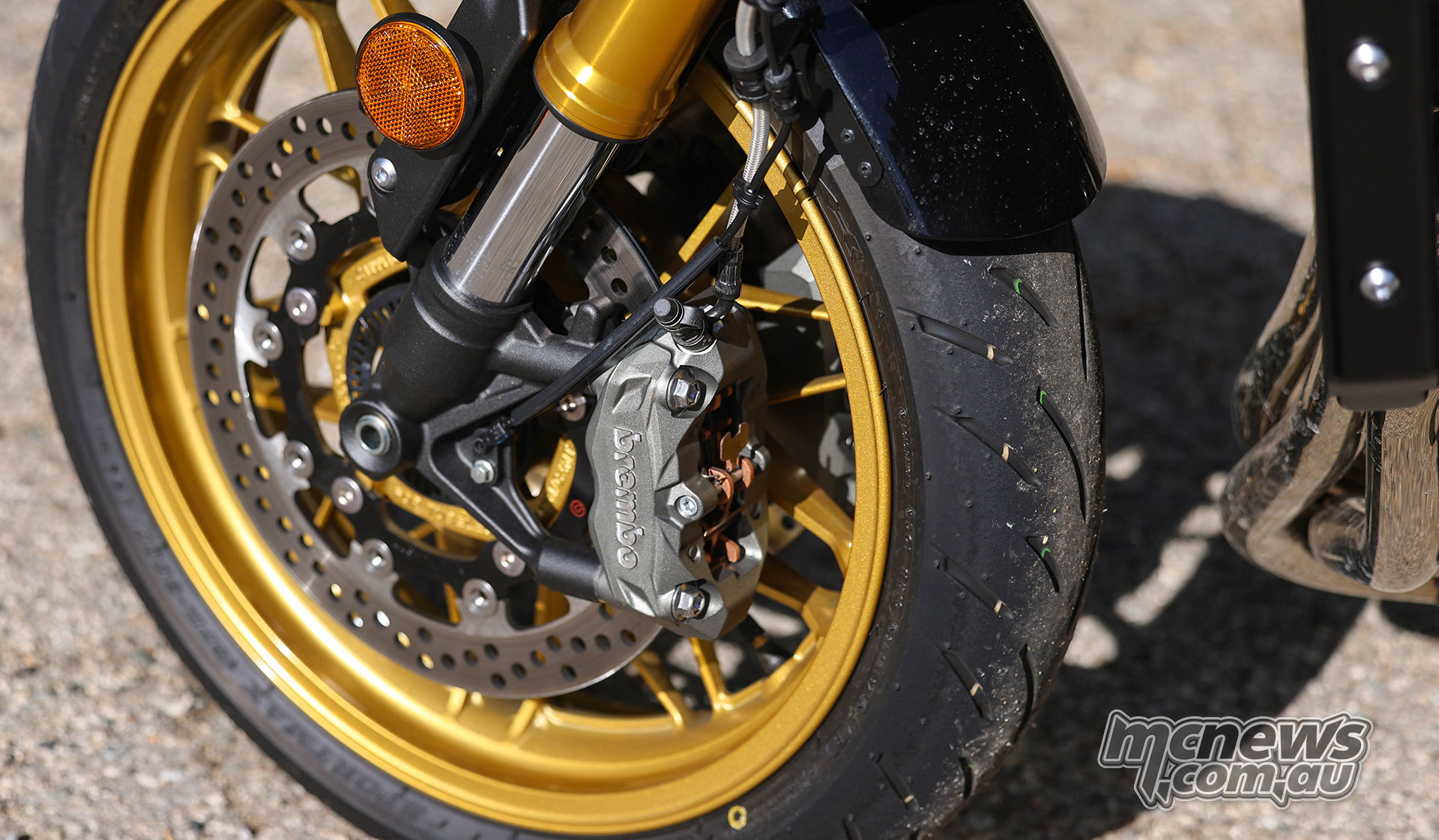
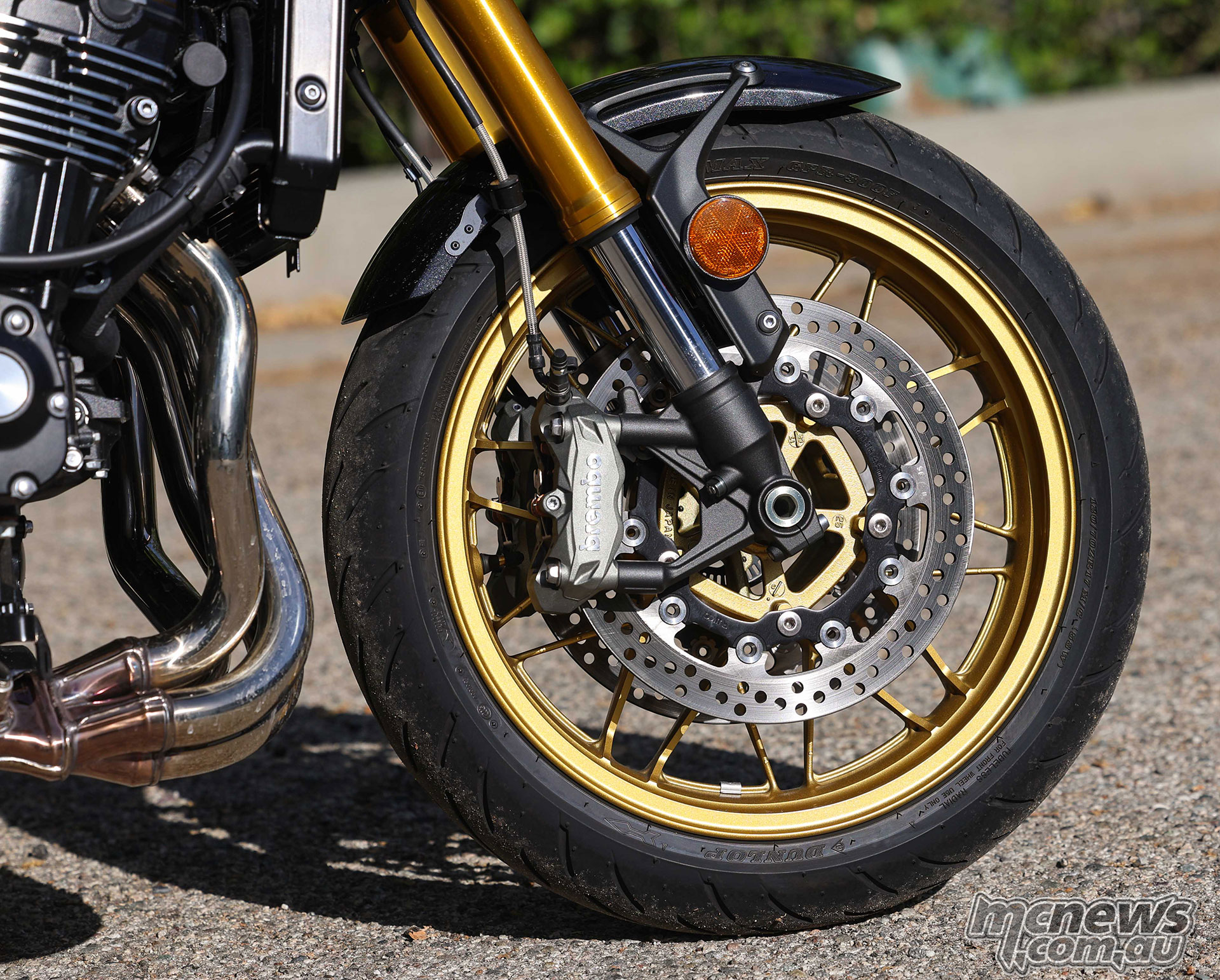
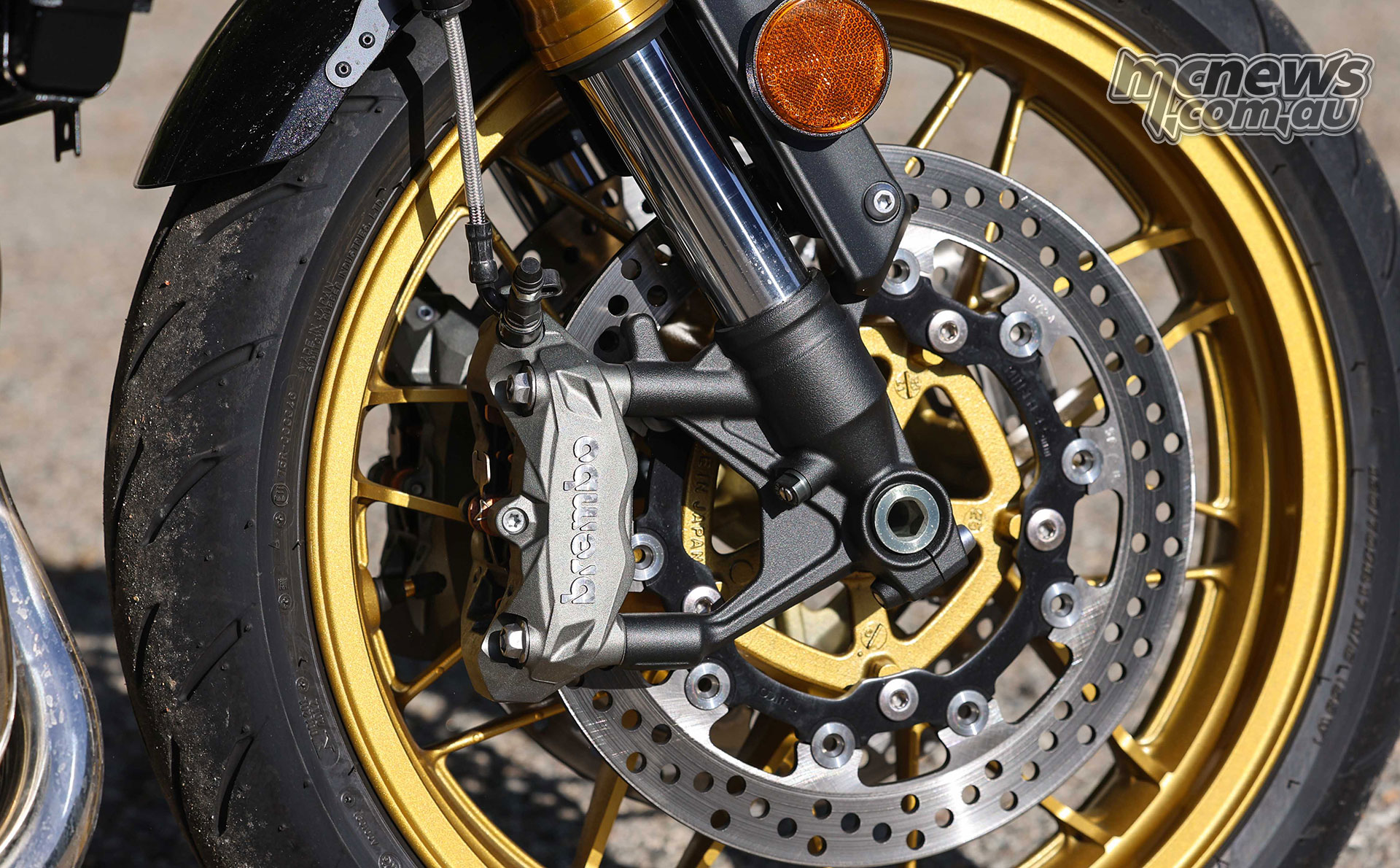
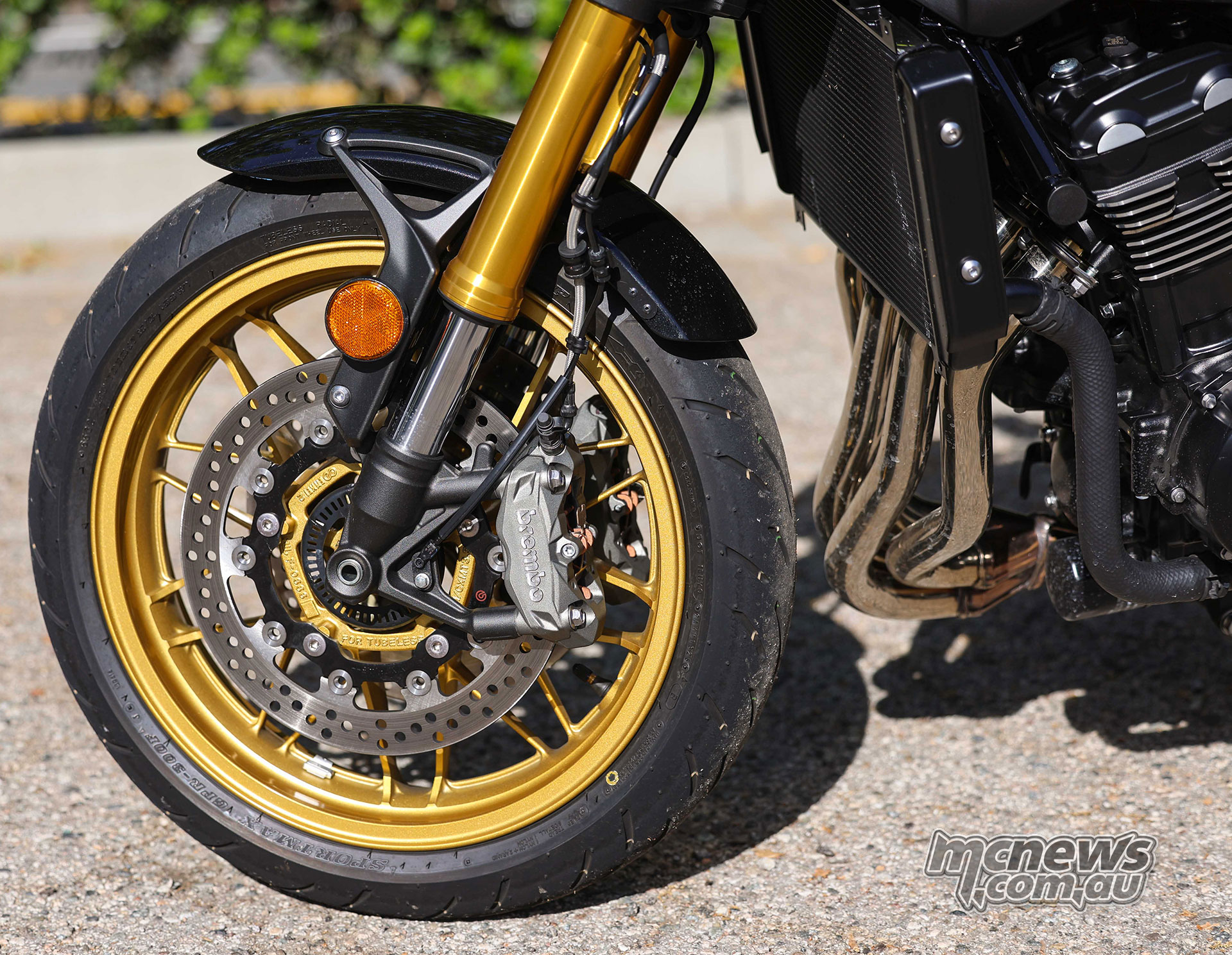 Brembo M4.32 calipers are not the latest showroom exotica, but paired with cornering ABS they remain more than capable for the Z900RS brief.
Braking performance for the SE comes in the form of the Brembo M4.32 calipers, as before, that provide good performance, even if those calipers are positively ancient nowadays. Now having been paired to Cornering ABS, the braking package is plenty good enough for the task but just not top-spec.
Everyday usability
At highway speeds, the Zed remains composed and comfortable. The upright riding position is for the most part comfortable, though the lack of wind protection reminds you that this is not a touring motorcycle. Still, the addition of cruise control makes longer rides more manageable and the comfort from that old school seat is lovely.
 Seat height on the Kawasaki Z900RS SE sits at 845 mm
In urban areas, the Zed’s smooth throttle response and balanced chassis make it easy to manoeuvre through traffic, and this is more its natural habitat. The bike feels lighter than its claimed 215-kilogram curb weight suggests, which adds to its everyday usability.
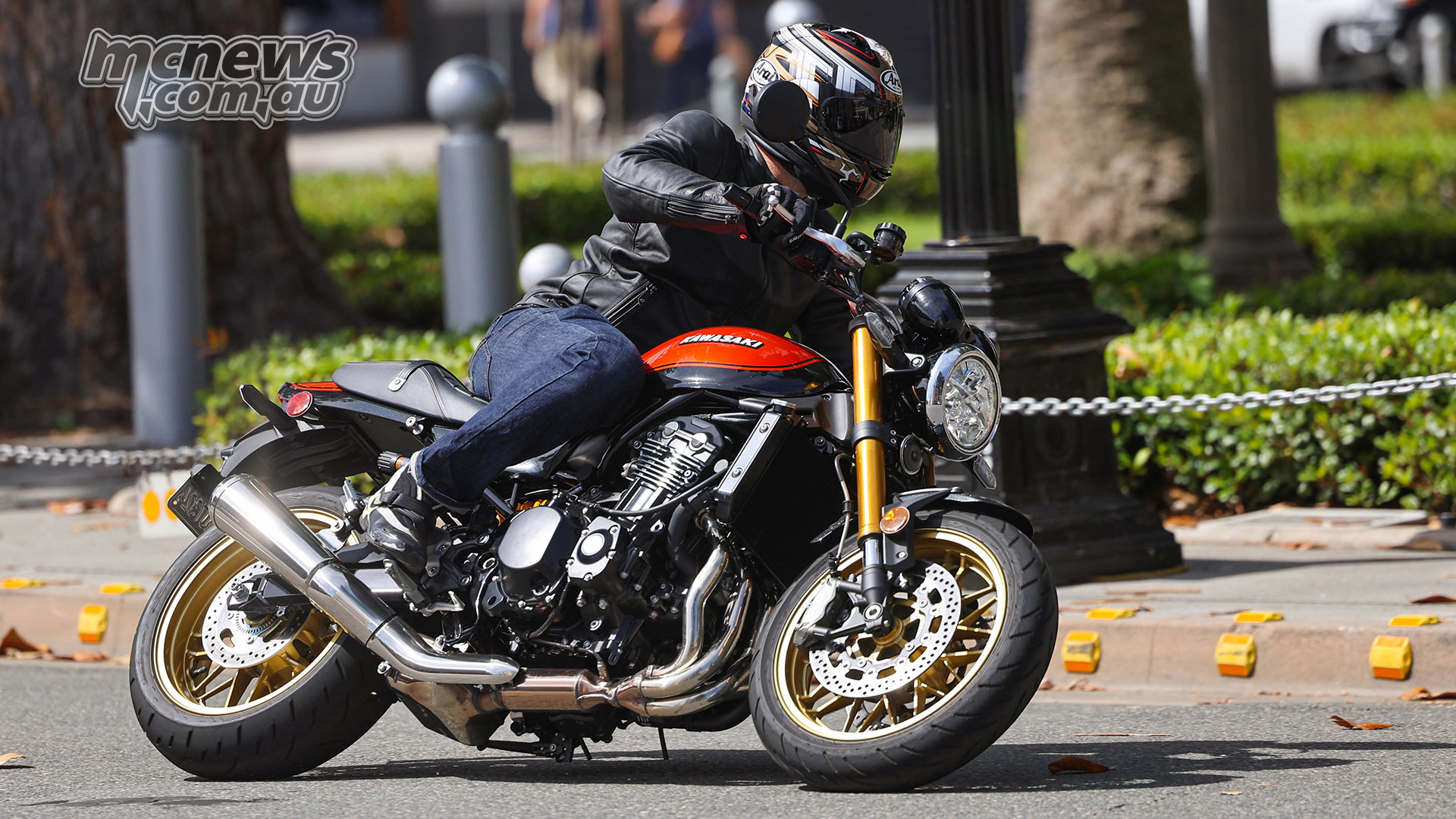
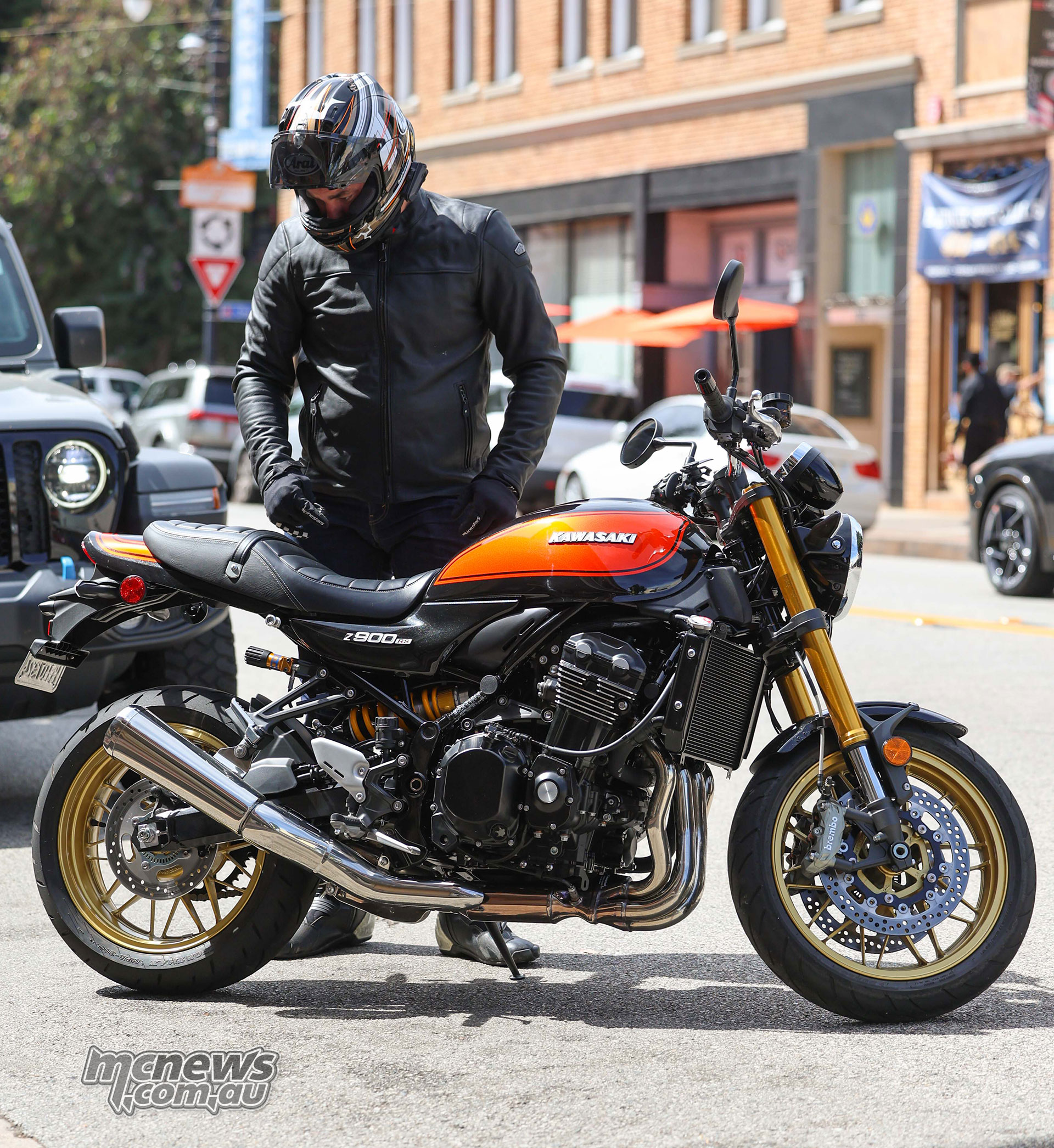 The 2026 Kawasaki Z900RS SE turns plenty of heads
Push harder on open roads, and the Z900RS SE reveals another layer of its personality. The bike handles medium-speed riding with ease, maintaining stability while delivering enough feedback to keep the rider engaged. Switch the traction control off, and it’ll even pull third-gear wheelies with ease. Not that we’re into that sort of thing…
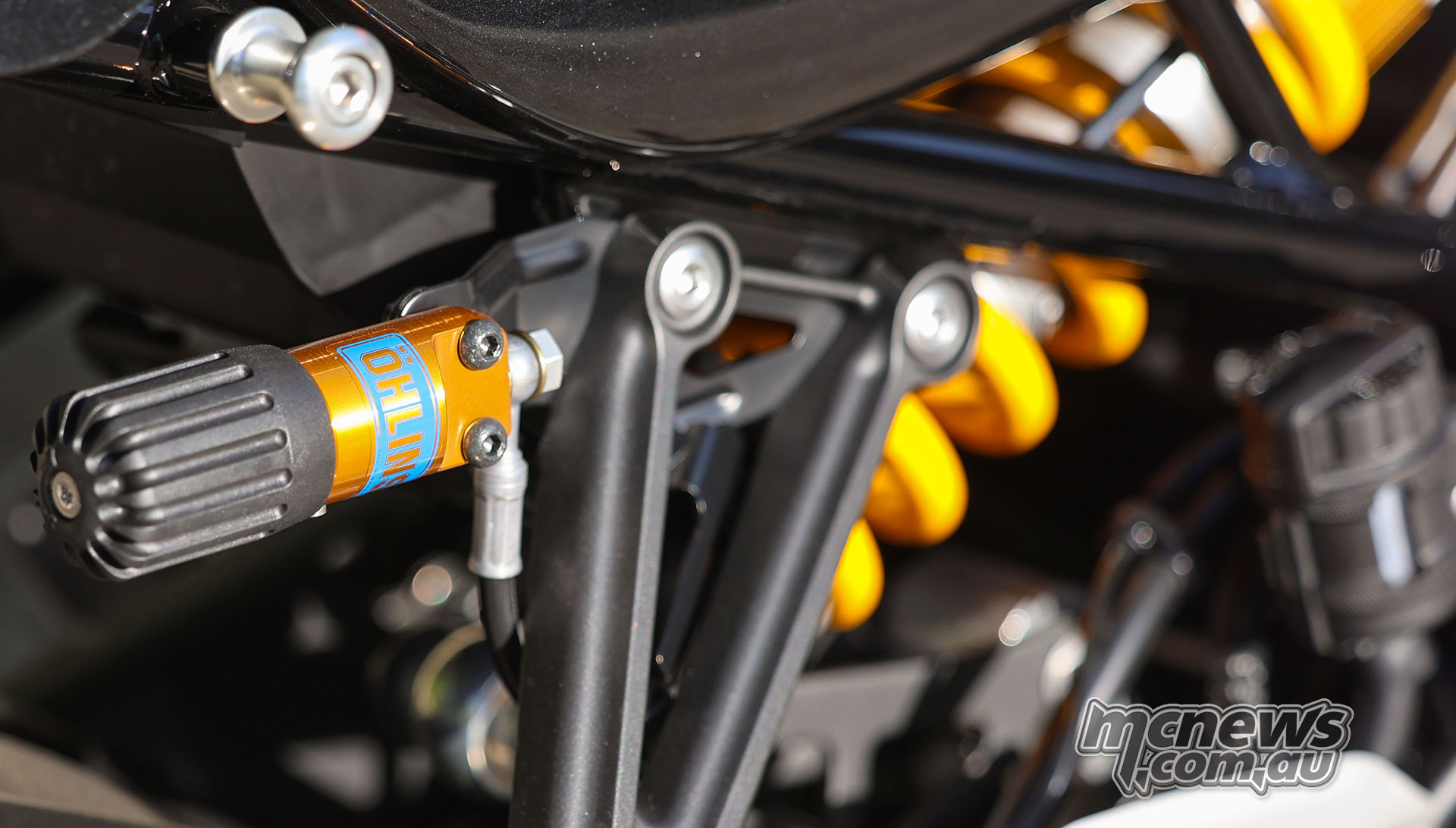 A remote preload adjuster makes for easier adjustment on the fly
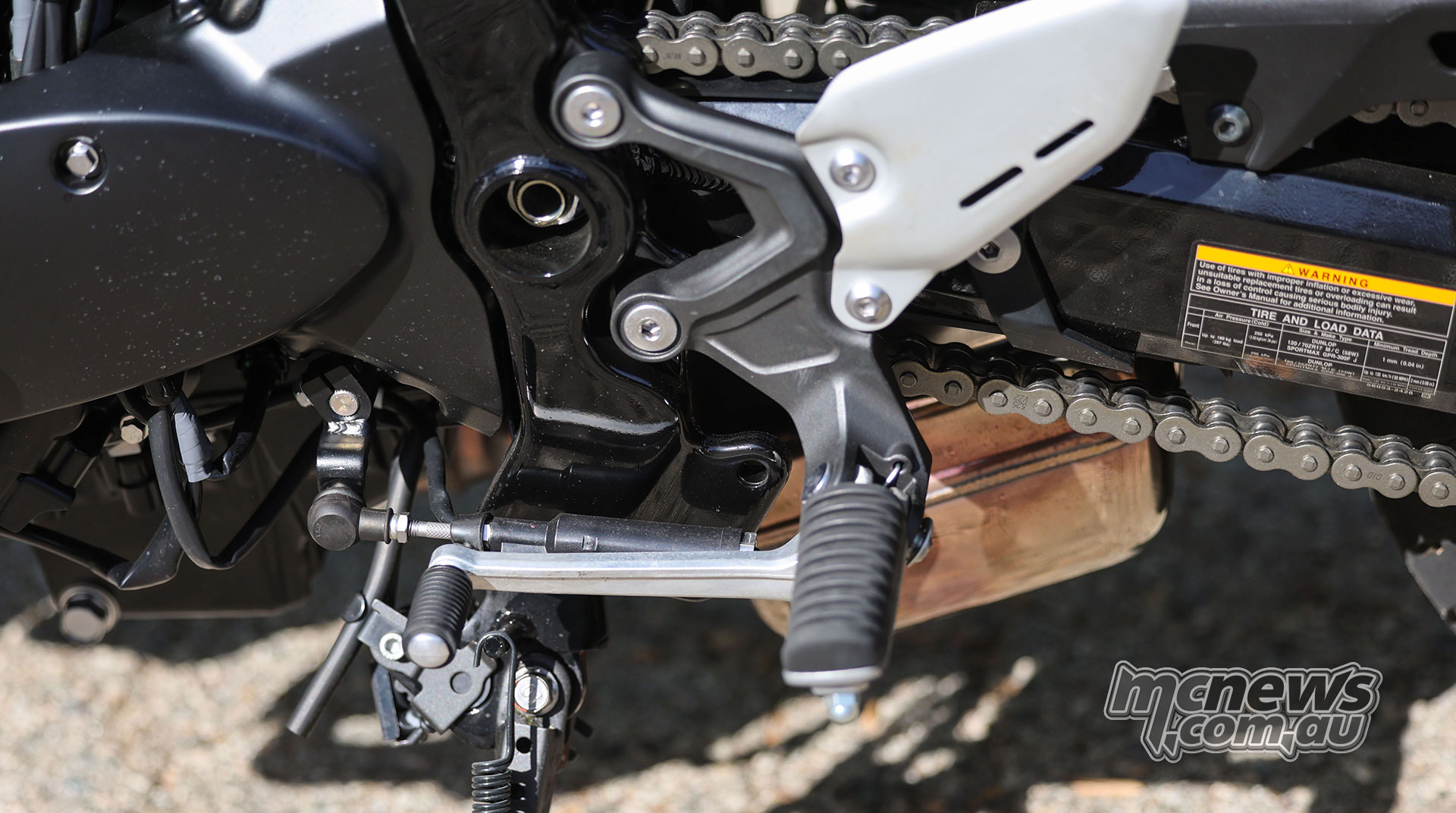
If you’re north of 90 kegs like this writer here, you’ll want at least a couple of turns of preload wound into the shock, via the remote preload adjuster. The Zed tends to ride a little low at the rear, and setting that preload in the shock will help the chassis track more precisely as you wind in the power.
However, beyond its obvious performance, the Z900RS SE proves itself quite the versatile companion. The seating position is comfortable for extended periods, the seat itself offering a good blend of support and cushioning.
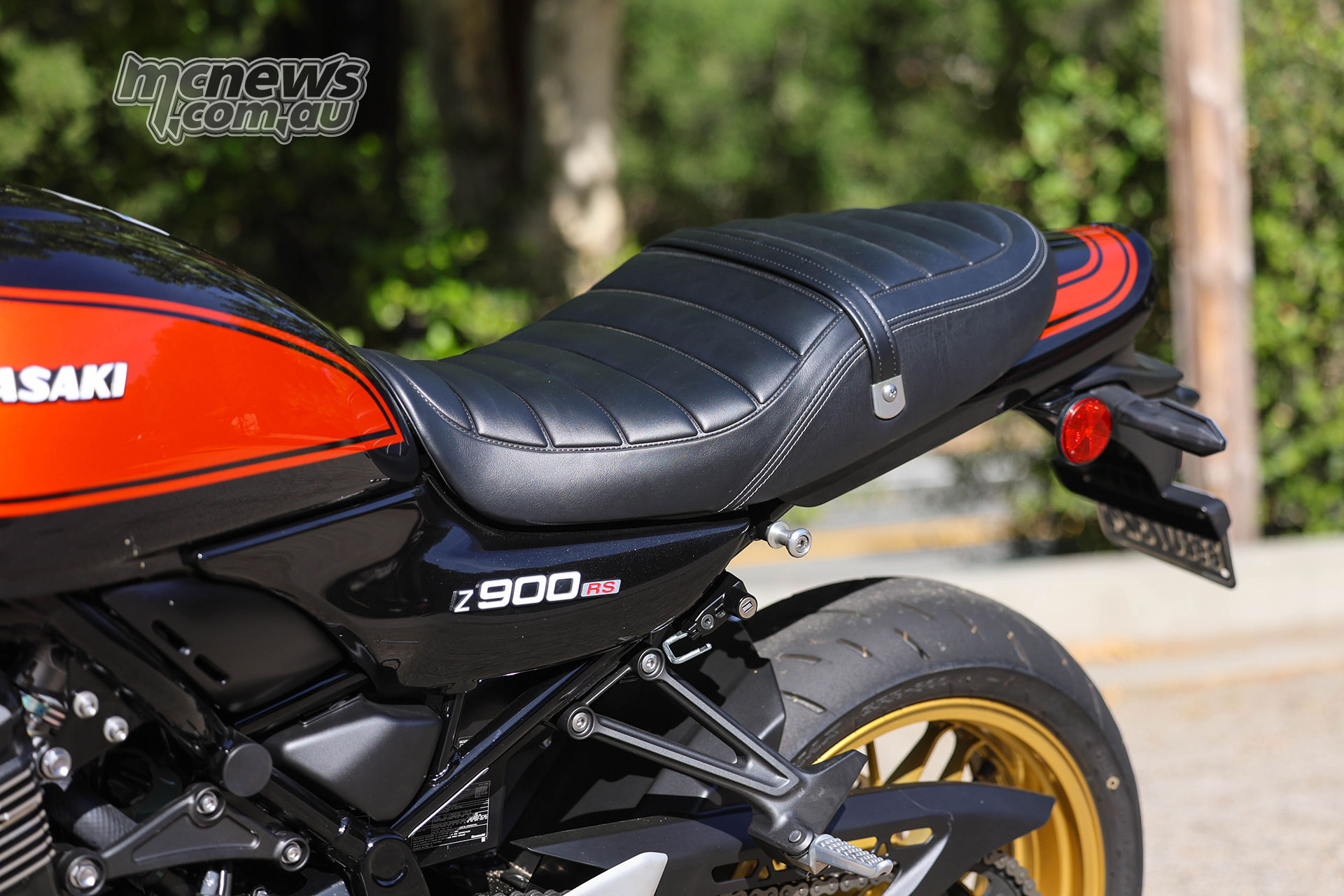 The ribbed seat looks the part and remains one of the Z900RS SE’s stronger everyday comfort points.
Fuel range is adequate for 200 km stints, and the overall riding experience remains relaxed enough for commuting duties. While the bike lacks the wind protection and storage options of more touring-oriented motorcycles, it compensates with simplicity and ease of use.
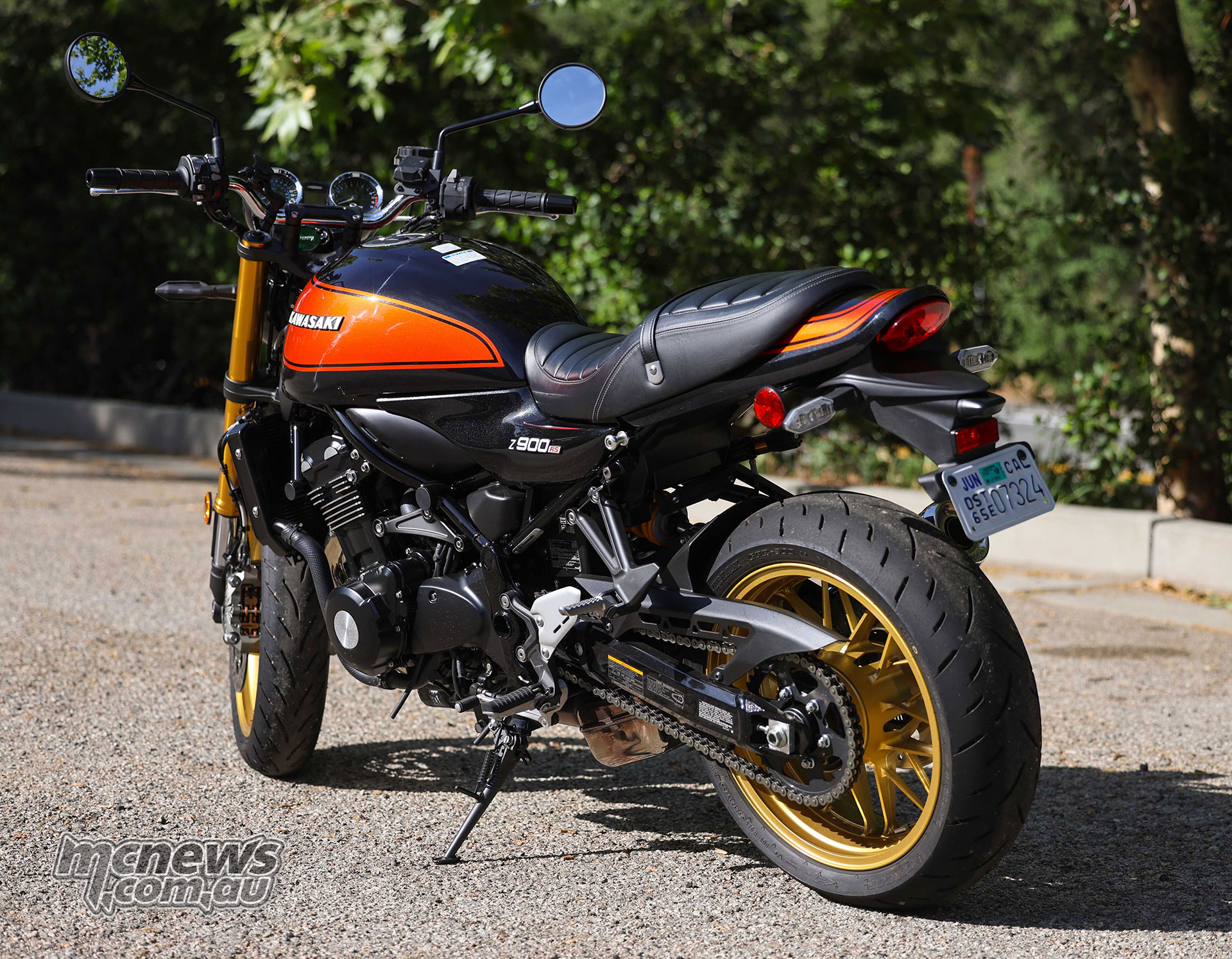
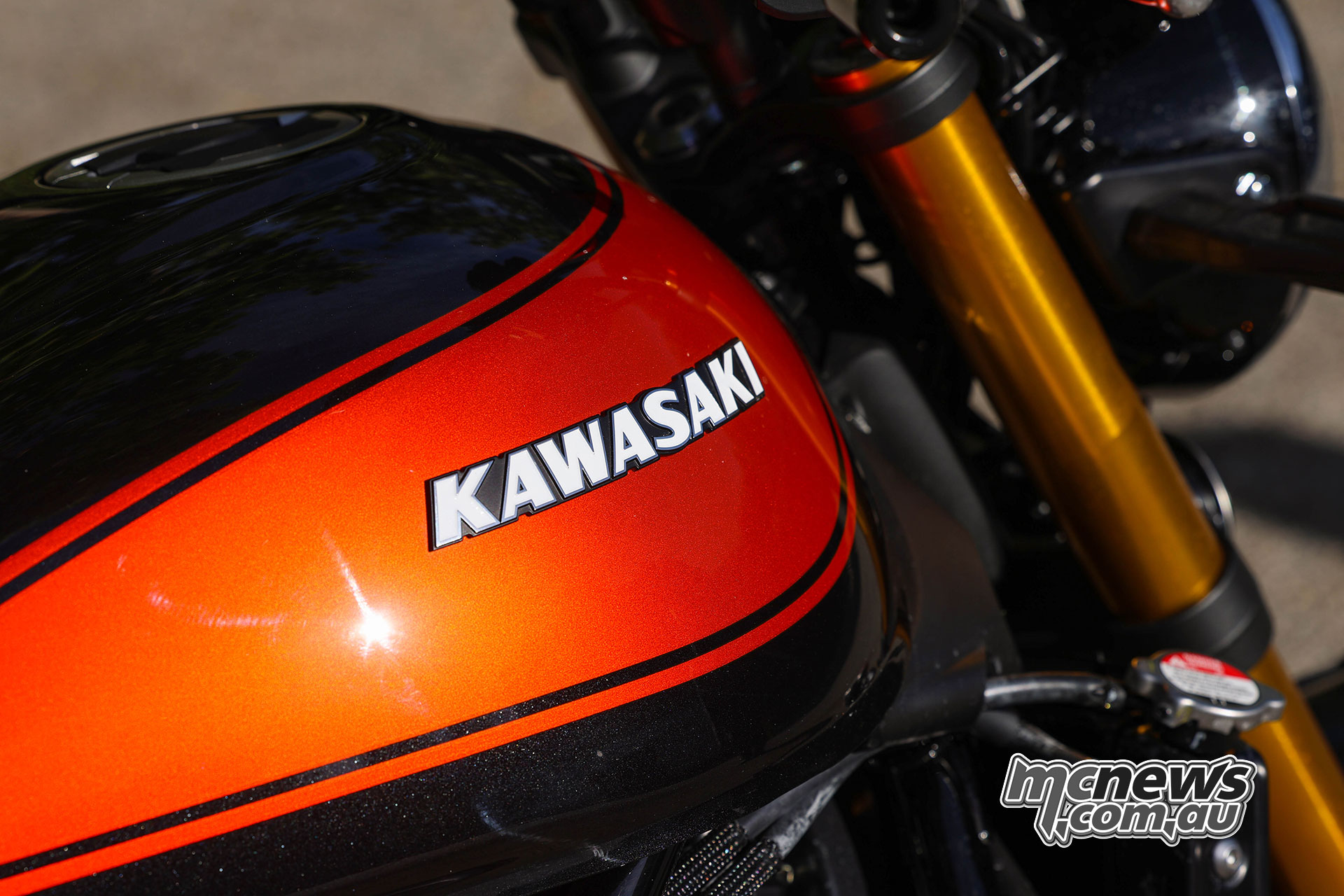
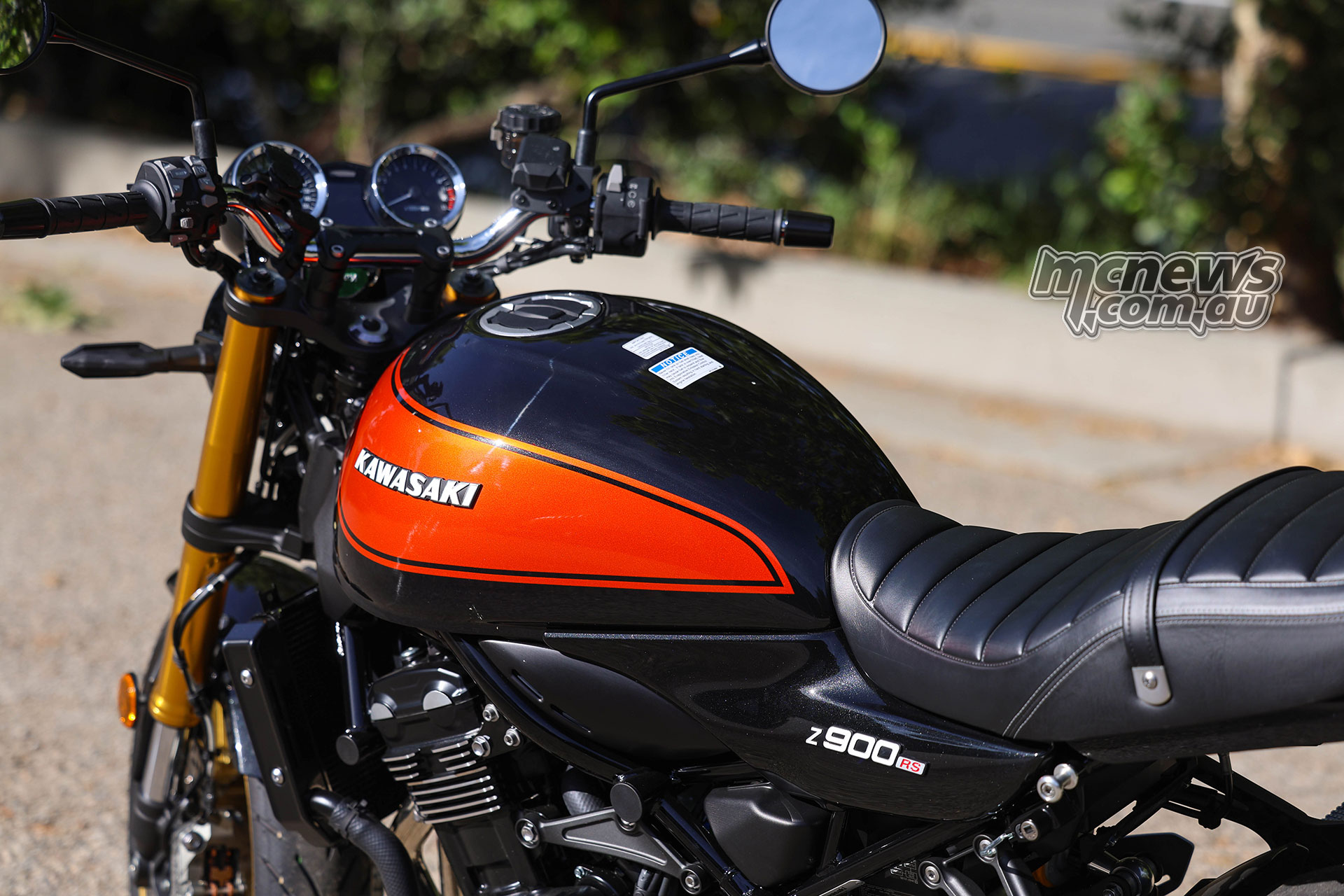 The tank shape and paintwork are still central to the Z900RS appeal — Kawasaki got this part right from the beginning.
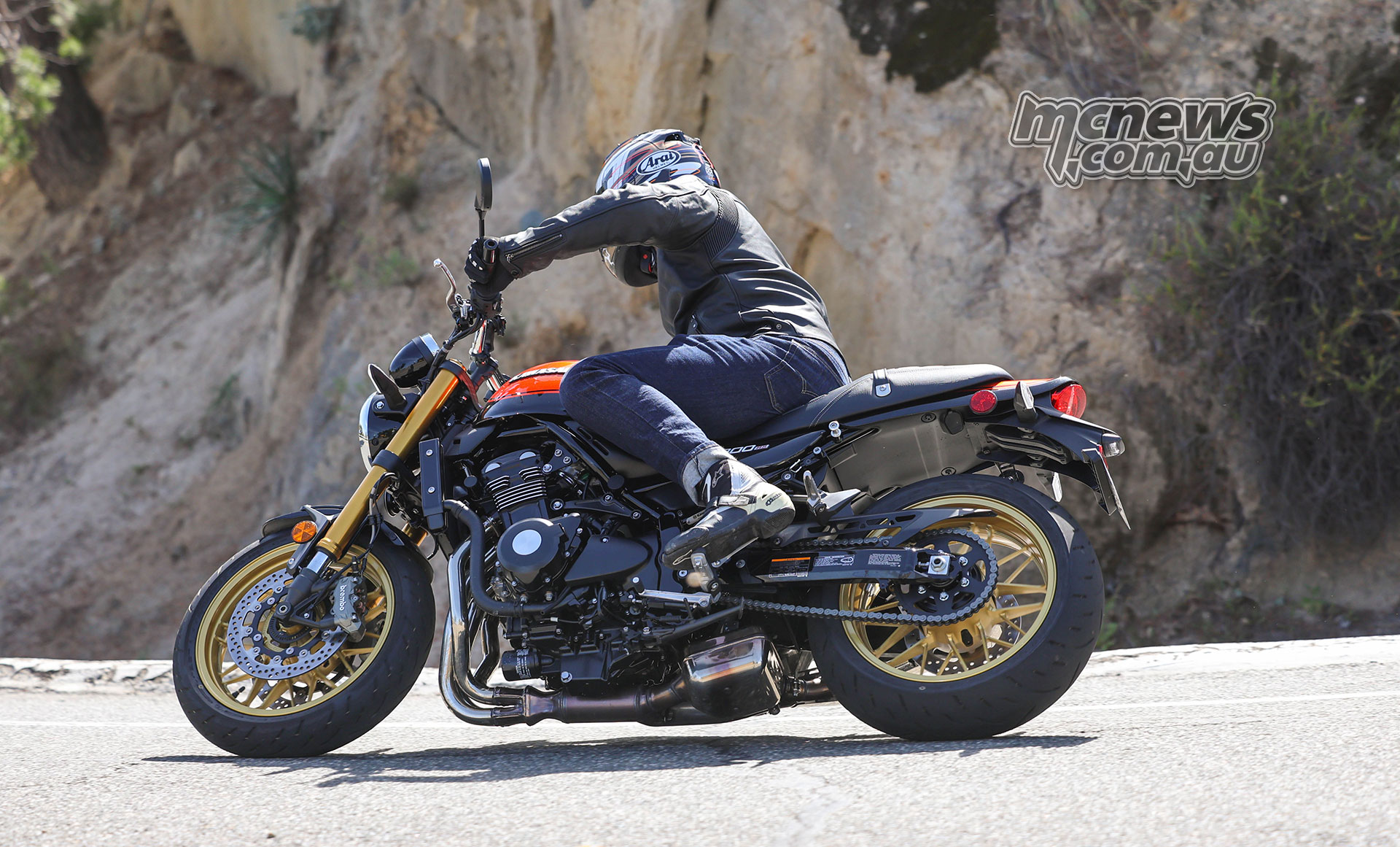
The Zed fits naturally into a variety of roles, which is part of its appeal.
Styling and appeal
Visually, the Zed is a real looker, if you’re like me and have a fetish for 1970s superbikes. Kawasaki has captured the essence of its Z1 heritage while incorporating modern touches that enhance both form and function. Details such as the LED lighting, the shape of the fuel tank, gold fork tubes, Öhlins shock and gold wheels bring it into the modern era.
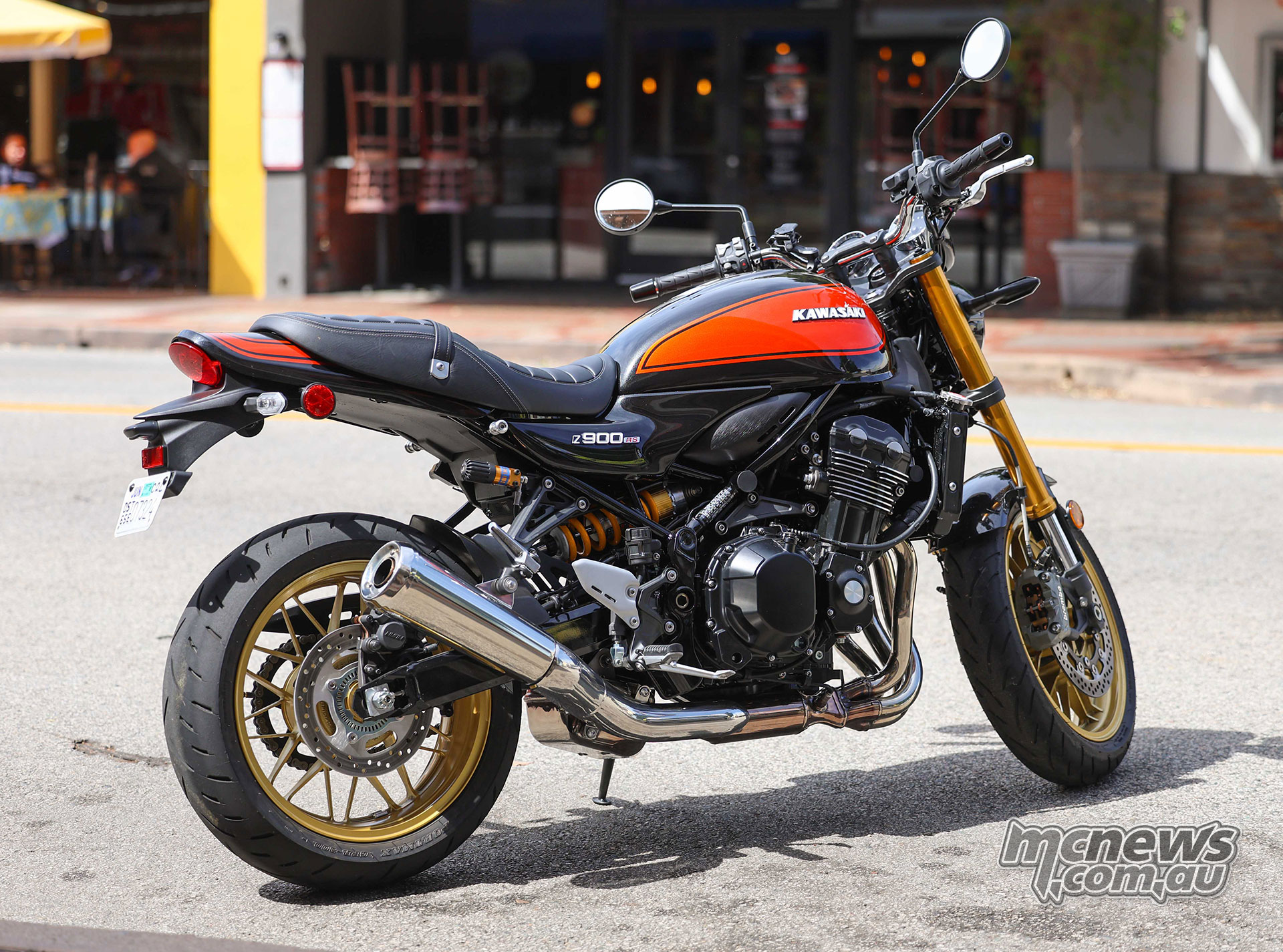 Cruise control is another addition for the 2026 Z900RS SE
None of this is new for this model, as the Zed has essentially looked the same since the first 2018 model. Don’t think that’s a bad thing—the styling department nailed it with this one. It’s the kind of motorcycle that draws attention without trying too hard—timeless rather than trendy.
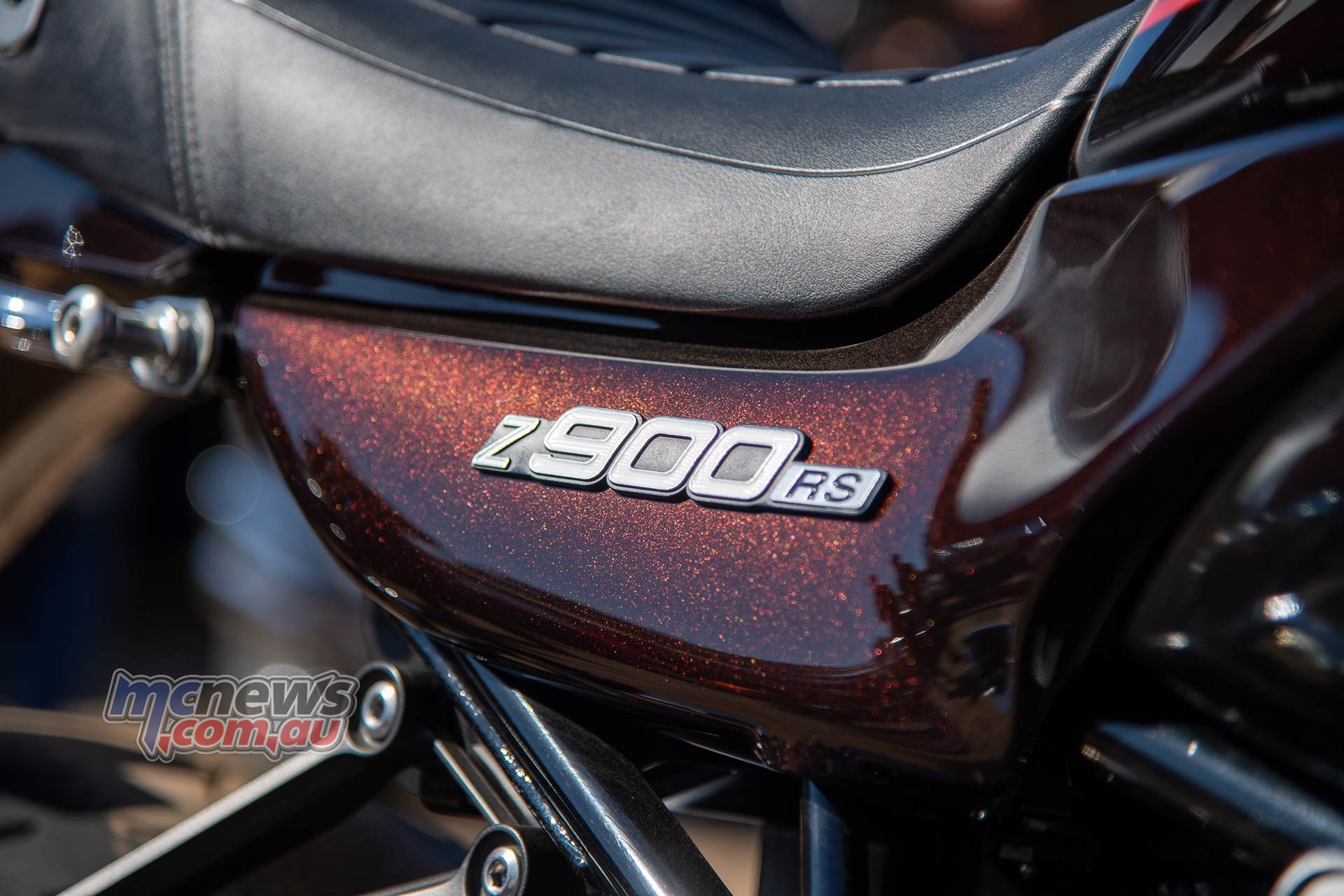 Kawasaki hit the mark with styling straight off the bat
Verdict
The Z900RS SE doesn’t attempt to redefine a segment that seems to have run out of steam of late. The modern-retro formula was once all the rage, but it seems to have run its course with several manufacturers scaling back on their offerings. But Kawasaki is hanging tough here.
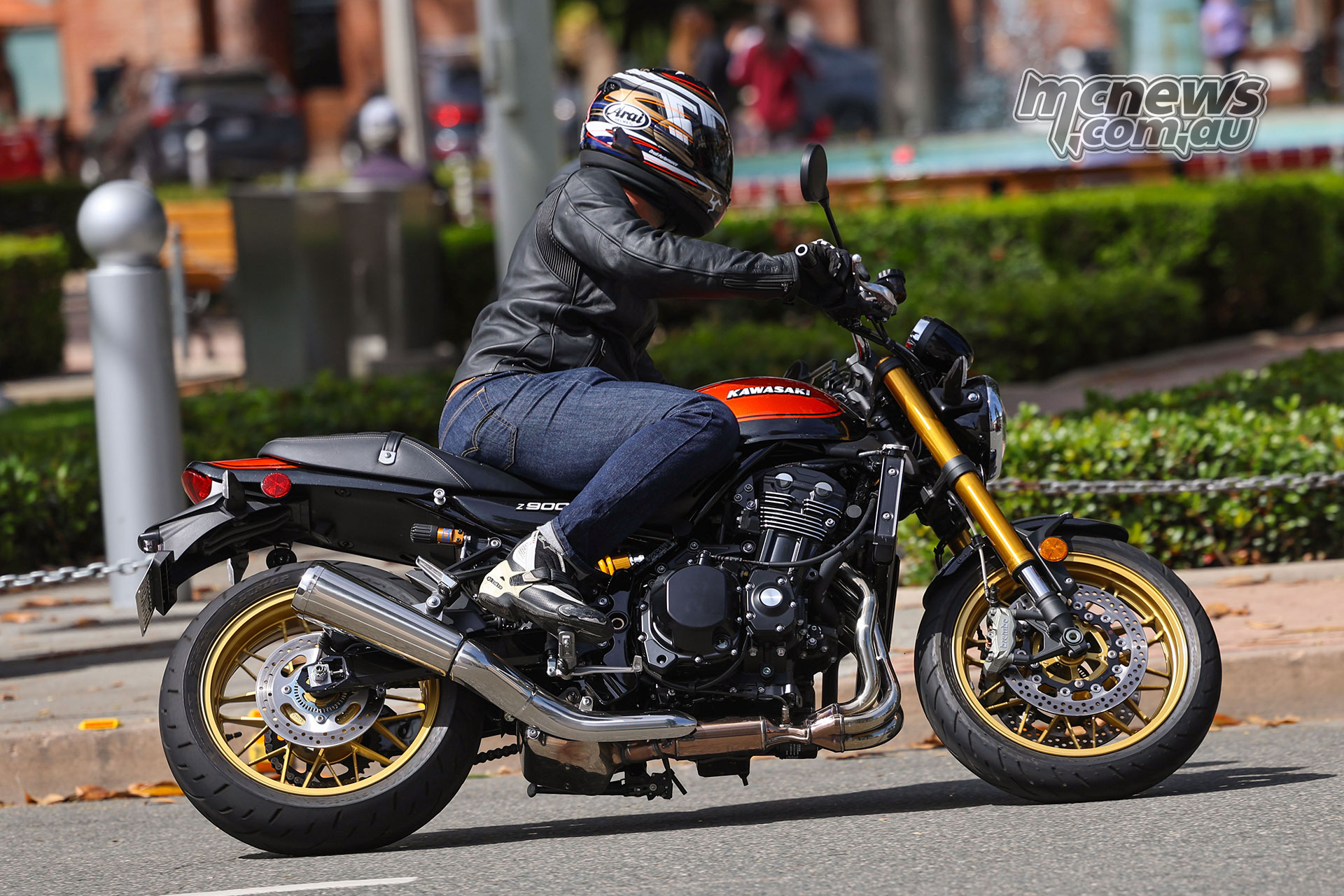 Kawasaki promise more top-end torque and power in full power mode over the 2025 edition, sacrificing low and mid-range
The combination of the Zed’s classic styling, modern performance, and useful but not overbearing technology makes it a worthy choice for riders who want more than just numbers on a spec sheet. It delivers a sense of connection that’s becoming increasingly rare in today’s motorcycle landscape. In that way, it’s much the same as the bonkers supercharged H2, just in the other direction.
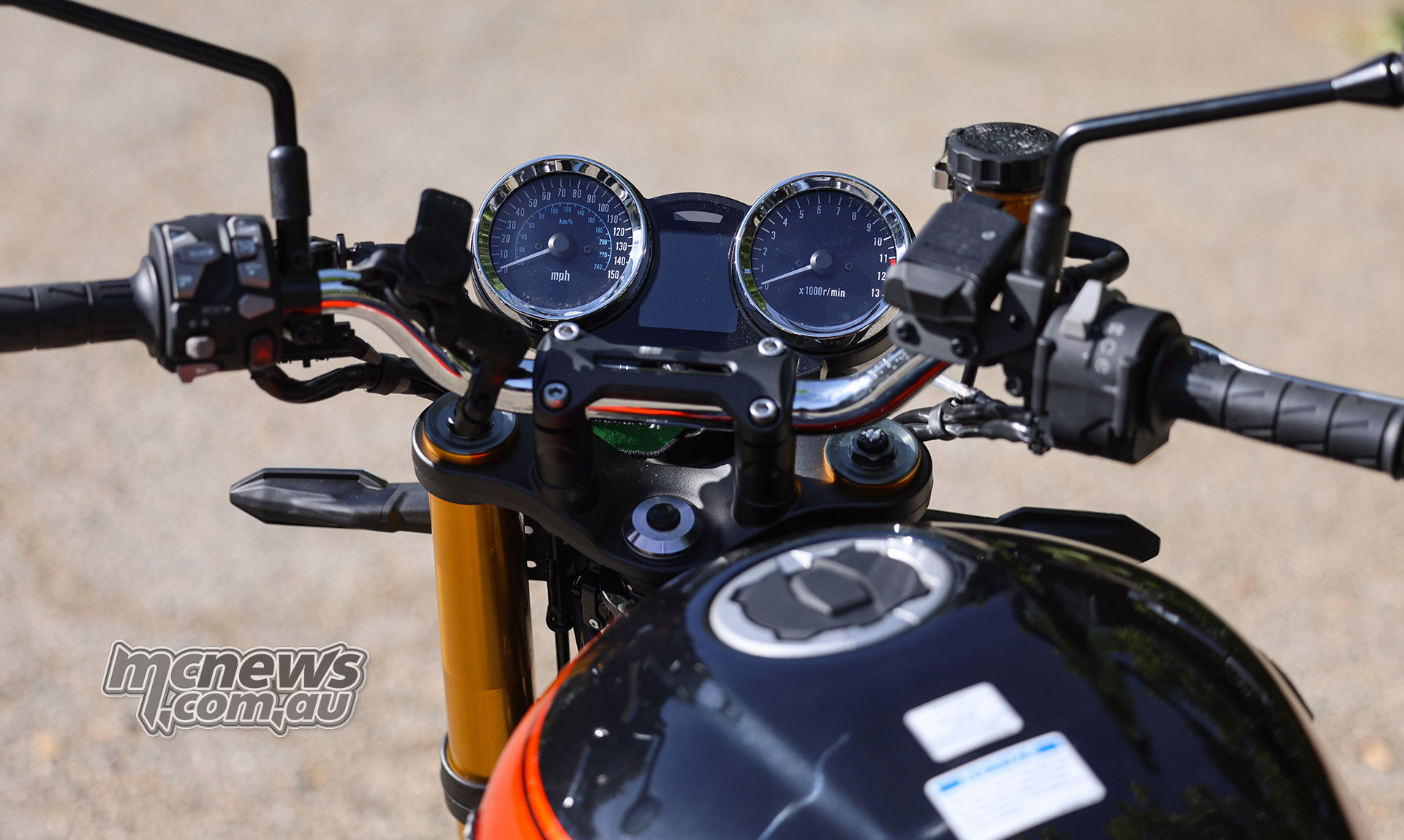 Traditional clocks, wide bars and a relaxed riding position keep the Z900RS SE experience pleasingly simple from the saddle.
For those who appreciate character as much as capability, the Z900RS SE stands out as one of the most well-rounded retro-inspired motorcycles available. And for a tick over 23K ride away, it doesn’t hurt the hip pocket as much as the more focussed supernakeds.
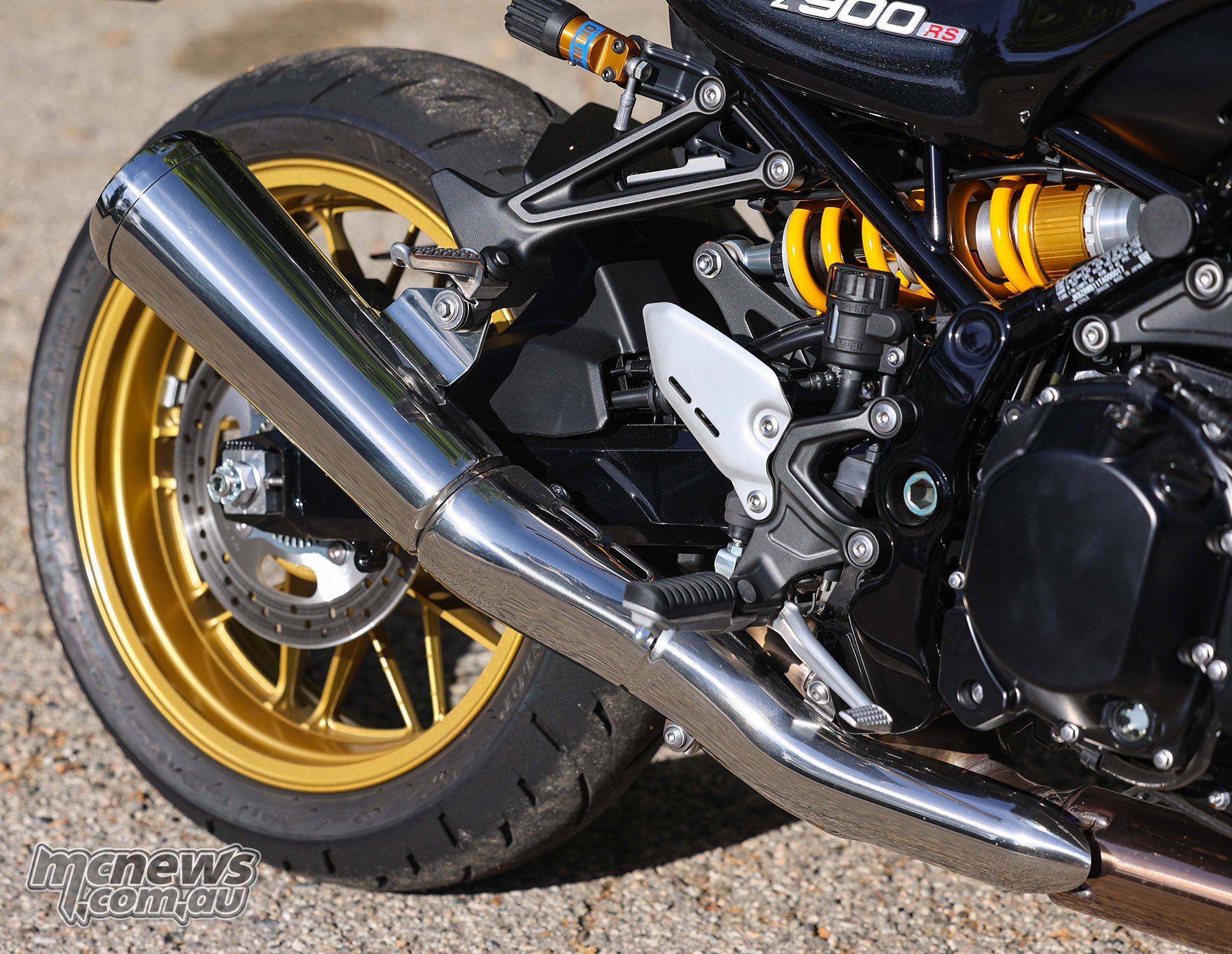
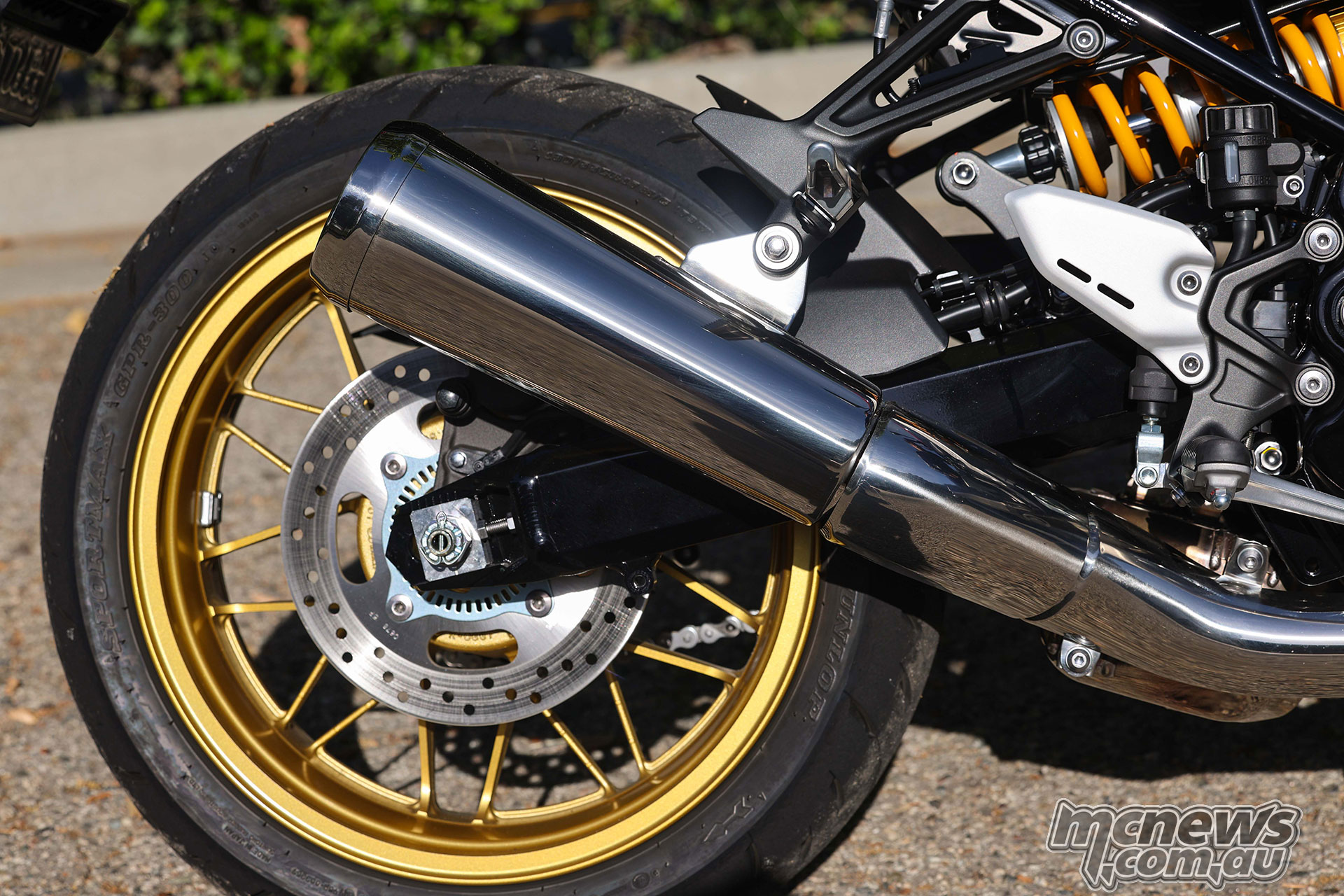
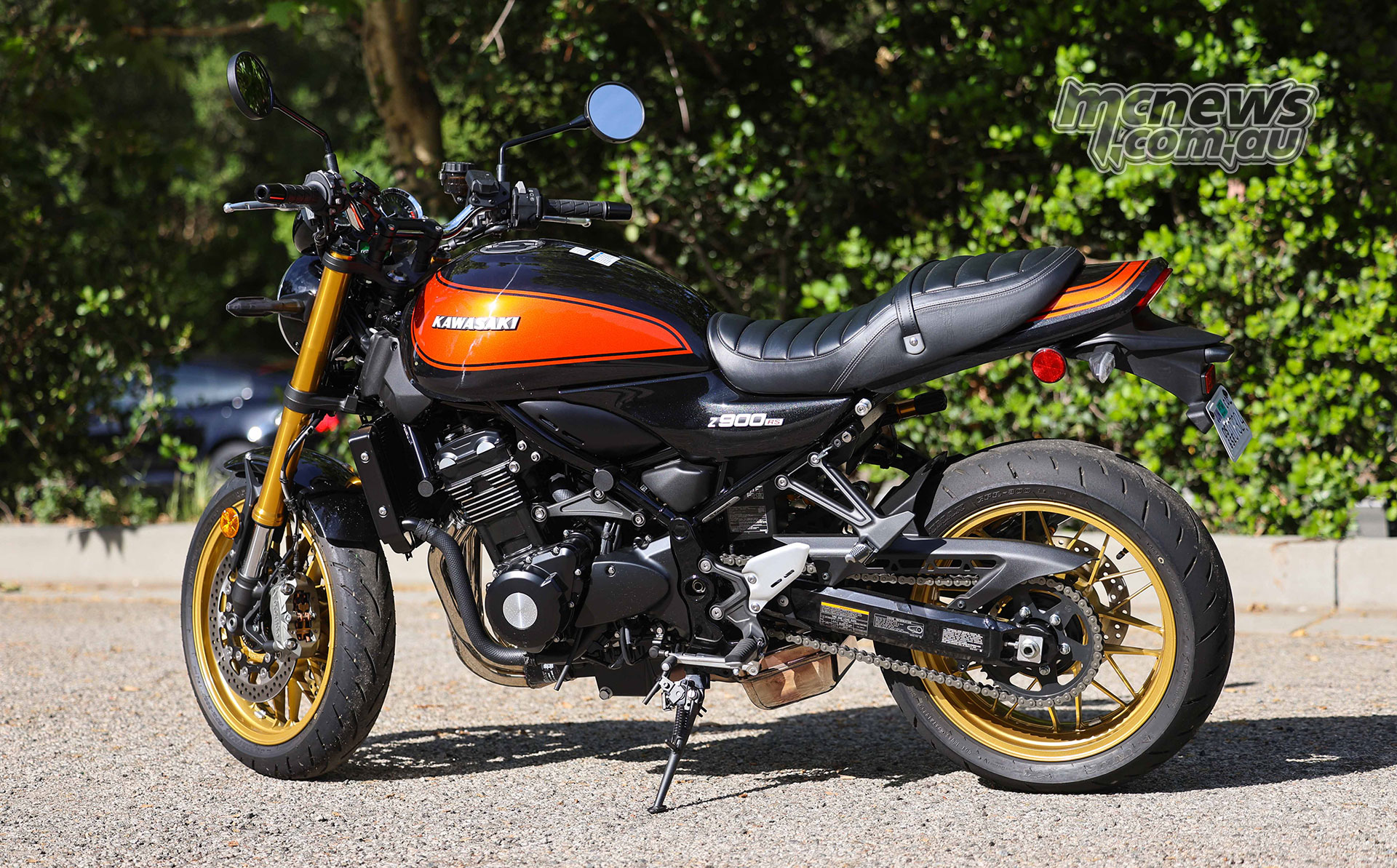 The SE’s gold hardware, chrome exhaust and tidy tail treatment keep the retro theme strong without looking like a pastiche.
The Z900RS SE may not be the most powerful or the most advanced machine you can buy, but it offers something arguably more valuable—a riding experience that feels genuine, engaging, and thoroughly enjoyable every time you twist the throttle.
For more information, see the Kawasaki Motor Australia website:
https://www.kawasaki.com.au/
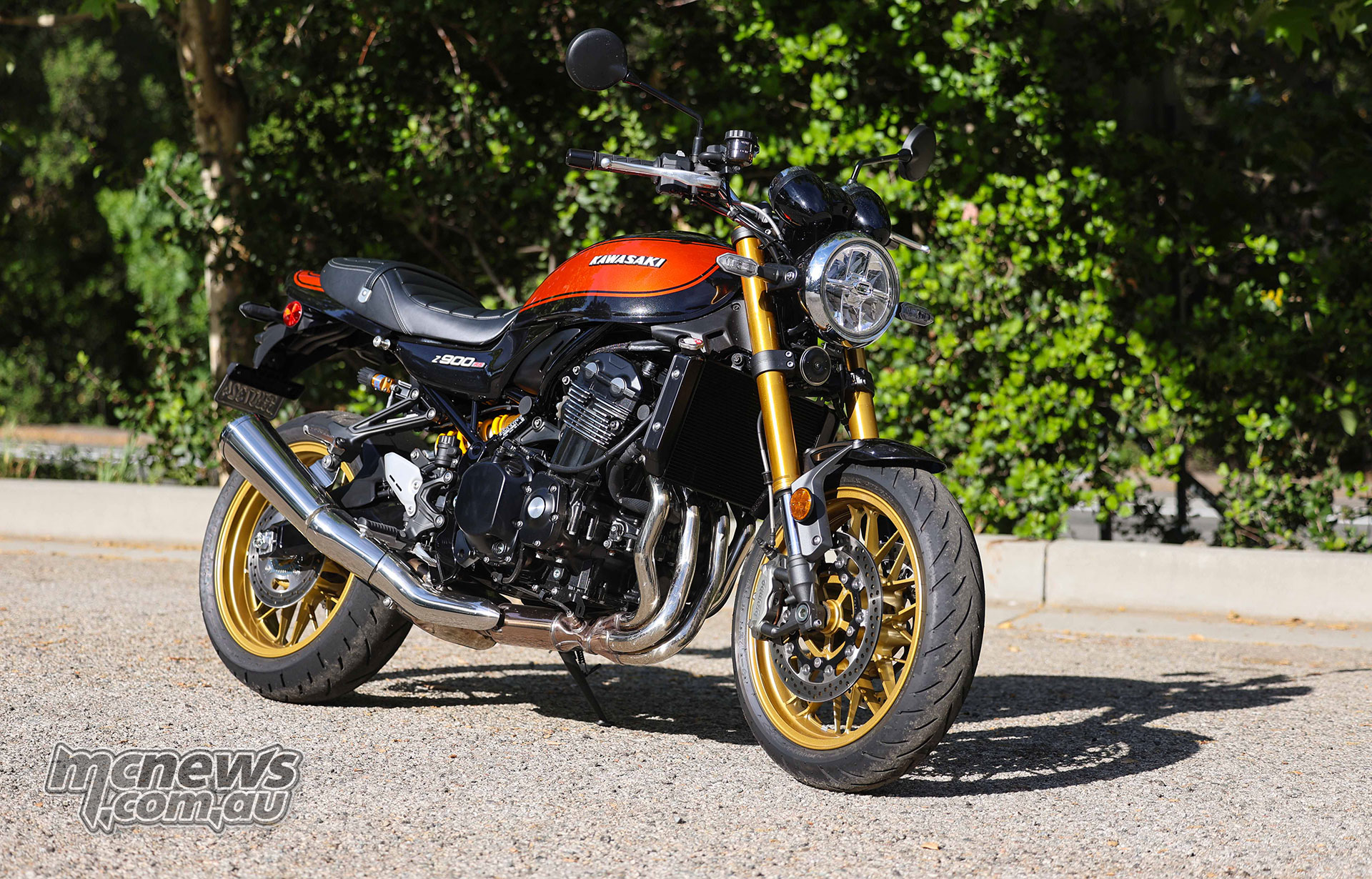 Z1 nostalgia with 2026 electronics
2026 Kawasaki Z900RS SE ABS Specifications
| Kawasaki Z900RS SE Specifications | |
| Maximum Power | 86.0 kW {115 hp} / 8,500 rpm |
| Maximum Torque | 99.5 Nm / 6,500 rpm |
| Engine | 4-stroke In-Line Four |
| Displacement | 948 cc |
| Bore x Stroke | 73.4 x 56.0 mm |
| Compression Ratio | 11.8:1 |
| Valve System | DOHC, 16 valves |
| Fuel System | Fuel injection: ø36 mm x 4 with sub-throttles |
| Ignition | Digital |
| Starting | Electric |
| Cooling | Liquid-cooled |
| Lubrication | Forced lubrication, wet sump |
| Transmission | 6-speed, return |
| Primary Reduction Ratio | 1.627 (83/51) |
| Gear Ratio: 1st | 2.917 (35/12) |
| Gear Ratio: 2nd | 2.059 (35/17) |
| Gear Ratio: 3rd | 1.650 (33/20) |
| Gear Ratio: 4th | 1.409 (31/22) |
| Gear Ratio: 5th | 1.222 (33/27) |
| Gear Ratio: 6th | 0.967 (29/30) |
| Final Reduction Ratio | 2.800 (42/15) |
| Clutch | Wet multi-disc, manual |
| Final Drive | Chain |
| Engine Management Technology | Assist & Slipper Clutch |
| Dual Throttle Valves | |
| Economical Riding Indicator | |
| KTRC (Kawasaki Traction Control) | |
| Sound Tuning | |
| Chassis Management Technology | Chassis Management Technology |
| ABS (Anti-lock Brake System) | |
| ERGO-FIT | |
| Horizontal Back-link Rear Suspension | |
| Frame | Trellis, high-tensile steel |
| Front Suspension | ø41 mm inverted fork with compression and rebound damping and spring preload adjustability |
| Rear Suspension | Horizontal Back-link, Öhlins S46 gas-charged shock with rebound damping and spring preload adjustability |
| Front Wheel Travel | 120 mm |
| Rear Wheel Travel | 140 mm |
| Rake | 25.0° |
| Trail | 98 mm |
| Steering Angle (L/R) | 35° / 35° |
| Front Tyre | 120/70ZR17M/C (58W) |
| Rear Tyre | 180/55ZR17M/C (73W) |
| Front Brake/s | Dual semi-floating ø300 mm Brembo discs |
| Front Caliper/s | Dual radial-mount, Brembo M4.32 monobloc, opposed 4-piston |
| Rear Brake | ø250 mm disc |
| Rear Caliper | Single-piston |
| Dimensions (LxWxH) | 2,100 x 865 x 1,150 mm |
| Wheelbase | 1,465 mm |
| Road Clearance | 140 mm |
| Seat Height | 845 mm |
| Curb Weight* | 215 kg |
| Estimated Dry Weight** | 195 kg |
| Fuel Capacity | 17 litres |
2026 Kawasaki Z900RS SE ABS Images
2026-Kawasaki-Z900RS-SE-Review-22
2026-Kawasaki-Z900RS-SE-Review-26
2026-Kawasaki-Z900RS-SE-Review-7
2026-Kawasaki-Z900RS-SE-Review-37
2026-Kawasaki-Z900RS-SE-Review-8
2026-Kawasaki-Z900RS-SE-Review-10
2026-Kawasaki-Z900RS-SE-Review-32
2026-Kawasaki-Z900RS-SE-Review-31
2026-Kawasaki-Z900RS-SE-Review-36
2026-Kawasaki-Z900RS-SE-Review-35
2026-Kawasaki-Z900RS-SE-Review-34
2026-Kawasaki-Z900RS-SE-Review-33
2026-Kawasaki-Z900RS-SE-Review-30
2026-Kawasaki-Z900RS-SE-Review-29
2026-Kawasaki-Z900RS-SE-Review-28
2026-Kawasaki-Z900RS-SE-Review-27
2026-Kawasaki-Z900RS-SE-Review-25
2026-Kawasaki-Z900RS-SE-Review-24
2026-Kawasaki-Z900RS-SE-Review-23
2026-Kawasaki-Z900RS-SE-Review-21
2026-Kawasaki-Z900RS-SE-Review-20
2026-Kawasaki-Z900RS-SE-Review-17
2026-Kawasaki-Z900RS-SE-Review-16
2026-Kawasaki-Z900RS-SE-Review-15
2026-Kawasaki-Z900RS-SE-Review-14
2026-Kawasaki-Z900RS-SE-Review-13
2026-Kawasaki-Z900RS-SE-Review-12
2026-Kawasaki-Z900RS-SE-Review-11
2026-Kawasaki-Z900RS-SE-Review-9
2026-Kawasaki-Z900RS-SE-Review-6
2026-Kawasaki-Z900RS-SE-Review-4
2026-Kawasaki-Z900RS-SE-Review-5
2026-Kawasaki-Z900RS-SE-Review-3
2026-Kawasaki-Z900RS-SE-Review-1
2026-Kawasaki-Z900RS-SE-Review-2


 English (US) ·